Barcelona After 50: A Comfort-First Guide for Travelers 50+
Gaudí's dreamscape by the sea. Here's how to enjoy Barcelona comfortably after 50: where to stay, timed tickets, tapas strategy, and safety.
⚡ Key Takeaways
- Best base: Eixample — flat grid streets, elegant, central, excellent metro.
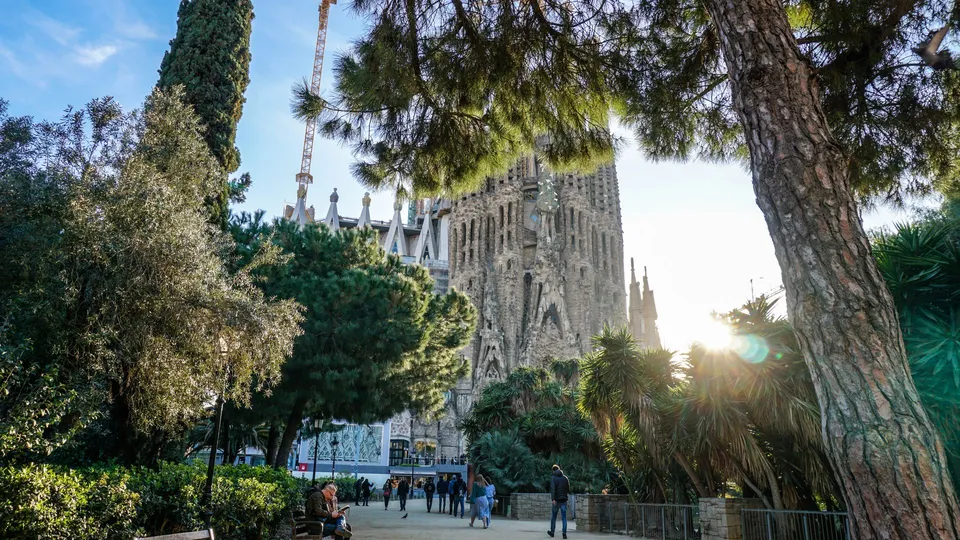
- Sagrada Familia: book timed tickets 2+ weeks ahead; morning light through stained glass is unreal.
- Tapas strategy: lunch is the big meal; dinner starts at 9pm — adapt gradually.
- Pickpockets: real but manageable — crossbody bag, no back pockets, metro awareness.
- Best months: April–June and September–October. August is hot and crowded.
- Beach + city: Barceloneta beach is 15 min by metro from the center — easy half-day.
Is Barcelona Worth It After 50? The Honest Answer
Barcelona is joy in city form — Gaudí's melting architecture, the Mediterranean glittering at the end of every eastward street, food culture that turns dinner into theater. For 50+ travelers it's especially rewarding: the city runs on lingering, tasting, and looking up.
Honest caveats: pickpockets target the tourist zones (manageable with basic precautions), August heat and crowds are intense, and the Gothic Quarter's medieval lanes, while magical, are uneven. None of this should stop you — all of it should shape your plan.
Where to Stay: Eixample Wins for Comfort
Eixample — Best Overall for 50+
Barcelona's 19th-century expansion district: a flat grid of wide, tree-lined avenues with chamfered corners. Elegant modernista buildings, superb restaurants, and the best metro connections in the city. Passeig de Gràcia (with Casa Batlló and La Pedrera) runs through it. Flat, logical, beautiful.
El Born — Atmospheric, Medieval Lanes
The old merchants' quarter: Picasso Museum, Santa Maria del Mar, tiny plazas with wine bars. Enchanting — and the lanes are narrow, uneven, and easy to get lost in (pleasantly). Great for an afternoon; Eixample is easier as a base.
Barceloneta — By the Sea
The old fishermen's quarter turned beach neighborhood. Flat, breezy, great seafood — but further from the Gaudí sights and livelier at night. A fine base if the sea is your priority.
Gaudí: Book Ahead or Miss Out
Sagrada Familia: book timed entry at least two weeks ahead (a month in high season). Morning slots (9–11am) put sunlight through the eastern stained glass — the interior glows ruby and gold. It's the single most moving interior in Europe; don't rush it.
Park Güell: the Monumental Zone requires timed tickets. Go at opening (9:30am) for the mosaics without the midday crush. Note: the park is hilly — the walk up from the metro is the steepest part. Taxis can drop you at the top entrance.
Casa Batlló / La Pedrera: both on Passeig de Gràcia, both worth it, both need advance tickets. The audio guides are excellent — take your time.
Eating on Barcelona Time
Spaniards eat lunch at 2pm and dinner at 9–10pm. Fighting this schedule means empty restaurants and closed kitchens. The 50+ adaptation that works: make lunch your big meal (the menú del día — three courses for €15–20 — is Europe's best deal), then a light tapas dinner at 8pm. You'll eat well, spend less, and sleep better.
Safety: Pickpockets Without Paranoia
Barcelona's pickpockets are skilled and non-violent — they want your wallet, not a confrontation. The defense is simple: crossbody bag worn in front, nothing in back pockets, phone zipped away on the metro and Las Ramblas. That's it. Don't let fear shrink your trip; let preparation protect it.
Area Map
Frequently Asked Questions
Is Barcelona safe for senior travelers?
Yes, with normal big-city awareness. Violent crime is rare; pickpocketing in tourist zones is the main risk. A crossbody bag, zipped pockets, and metro awareness handle 99% of it. The Eixample and Gràcia neighborhoods feel very safe day and night.
How far ahead should I book Sagrada Familia tickets?
At least two weeks ahead, a month in summer. Morning slots (9–11am) are best for the stained-glass light. Tickets are timed and strictly enforced — arrive 15 minutes early.
What's the best area to stay in Barcelona for older travelers?
Eixample — flat grid streets, wide sidewalks, elegant buildings, the best metro connections, and central to everything. The Gothic Quarter is more atmospheric but harder to navigate with its medieval lanes.
When is the best time to visit Barcelona?
April–June and September–October: warm, manageable crowds, the city at its best. August brings intense heat and peak crowds. Winter is mild (50s°F/10–15°C) and wonderfully crowd-free.
Get Price-Drop Alerts for This Destination
Watching fares? We'll email you when prices drop 10% or more. Free.
Set a Free Price Alert →