Charleston After 50: A Comfort-First US Travel Guide
No passport, no jet lag, no hills. Charleston might be the easiest great American city to enjoy slowly after 50.
⚡ Key Takeaways
- Why it works after 50: flat, compact historic district; no international flight; outstanding food; genuinely warm hospitality.
- Best base: the Historic District (South of Broad / French Quarter) for walkability, or just outside it for quiet and value.
- Sightseeing without walking: carriage tours, the free DASH trolley, plantation tram tours.
- Best months: March–May and October–November — pleasant temps, blooming gardens, lower humidity.
- Watch out for: summer heat and humidity (June–September can be oppressive); uneven cobblestones and historic sidewalks.
- Ideal trip length: 3–4 days, with a plantation day and a slow Battery stroll built in.
Why Charleston Is Senior-Travel Gold
Some destinations require you to work around their challenges. Charleston barely has any. The historic peninsula is flat — genuinely, remarkably flat, a relief after any European hill town. The core sights cluster within about a square mile. There's no passport, no currency exchange, no jet lag, no language barrier. You can fly in from most of the eastern US in under three hours.
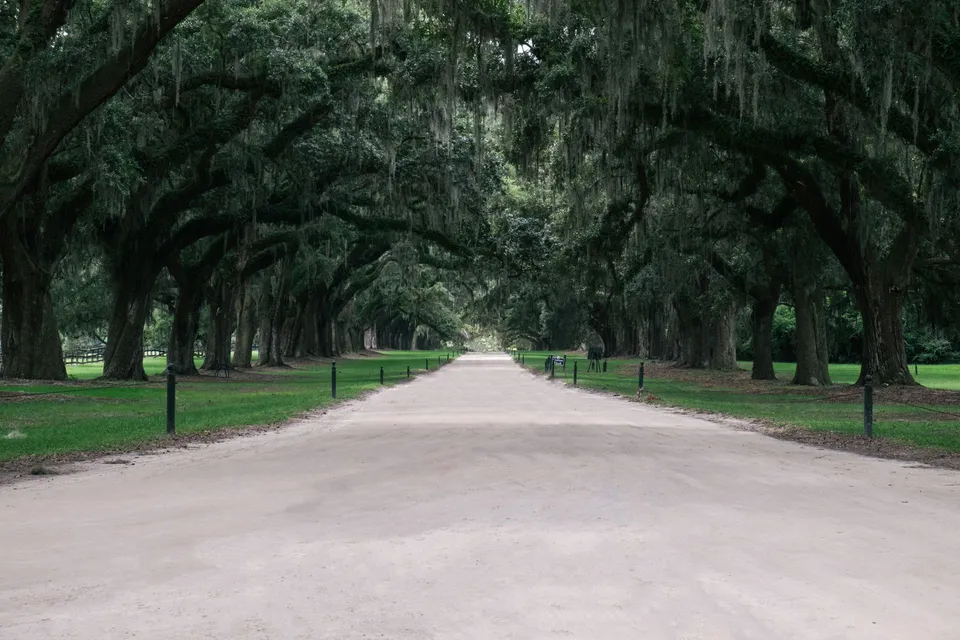
And then there's the experience itself: antebellum architecture in pastel colors, gas-lit streets, live oaks draped in Spanish moss, a food scene that punches far above the city's size, and a local culture of hospitality that isn't performative — Charlestonians are famously, sincerely welcoming. For a first solo trip, a girlfriend getaway, or a relaxed couples escape, it's hard to beat.
Where to Stay: In the District or Just Outside
Historic District — South of Broad & French Quarter
This is postcard Charleston: rainbow-colored row houses, cobblestone lanes, the Battery's waterfront mansions. Staying here means stepping out your door into the prettiest urban scenery in America. Hotels range from grand historic properties to intimate inns. The tradeoff: it's the priciest area, can be lively at night, and some historic buildings have limited elevator access — always verify.
Upper King Street Area — Lively, Slightly Edgier
North of Calhoun Street, King Street becomes Charleston's main shopping and dining corridor — still walkable to everything, generally better value than South of Broad, with a younger energy. Perfectly fine for 50+ travelers who want action at their doorstep; slightly less serene.
Just Outside the Peninsula — Quiet and Great Value
Mount Pleasant (across the Ravenel Bridge) and West Ashley offer comfortable modern hotels at significantly lower rates, with easy 10–15 minute drives or rideshares into the historic district. If you prefer quiet nights and don't mind not walking out into history, this is the value play. Note: you'll want a car or rely on rideshares.
Area Map
See where each area sits. Green = best for comfort and walkability.
Area Comparison at a Glance
| Area | Vibe | Walkability | Senior Comfort |
|---|---|---|---|
| South of Broad / French Quarter | Historic, serene, premium | Excellent | ★★★★★ Walk out into beauty |
| Upper King Street | Lively, dining/shopping | Excellent | ★★★★ Great value, verify elevator |
| Mount Pleasant / West Ashley | Suburban, quiet | Car needed | ★★★★ Quiet, best rates |
Hotel Comfort Checklist: Charleston Edition
✅ Before you click "book," confirm:
- Elevator access — many historic inns are converted 18th/19th-century buildings with stairs only. Charming, but verify before booking an upper floor.
- Ground-floor or low-floor room — in historic properties without elevators, request the lowest available floor.
- Walk-in shower or accessible tub — historic bathrooms can be quirky; confirm the setup matches your needs.
- Air conditioning — non-negotiable March through October. Verify it's in-room and effective, not just "climate control."
- Quiet location — King Street and the Market area stay lively late; ask for a courtyard-facing or upper-floor room.
- On-site or nearby parking — if driving, confirm parking; historic district parking is scarce and pricey.
- Breakfast included — Southern breakfasts (shrimp and grits, biscuits) are a highlight; starting the day well-fed and unhurried matters.
Seeing Charleston Without Wearing Yourself Out
Charleston is unusually well set up for low-effort sightseeing:
- Carriage tours — the classic. A narrated 45–60 minute ride through the historic district, seated, shaded, no walking. Multiple companies operate from the Market area; book the first morning slot for cooler air and smaller groups.
- DASH trolley — free, hop-on-hop-off style loops through downtown. Not the prettiest ride, but genuinely useful and completely free.
- The Battery & White Point Garden — a flat, shaded waterfront promenade with benches every few yards. Walk as much or as little as you like; the mansions, harbor views, and ancient oaks come to you.
- Waterfront Park — flat, with the famous Pineapple Fountain, swings facing the harbor, and plenty of seating. A perfect rest stop.
- Rideshares — plentiful and quick for anything beyond comfortable walking range.
The Food Scene: Come Hungry
Charleston's food is a legitimate reason to visit. Lowcountry cuisine — the cooking of the South Carolina coast — is rich, distinctive, and deeply comforting:
- Shrimp and grits — the signature dish; every good restaurant has a version worth trying.
- She-crab soup — creamy, sherry-laced, unmistakably Charleston.
- Husk, FIG, and Magnolias — the famous names, but the second tier (xiao bao biscuit, anyone) is just as good with easier reservations.
- Book ahead — popular restaurants fill days out, especially Thursday–Saturday. Lunch is often easier than dinner and just as good.
Dietary notes: most good restaurants handle gluten-free, vegetarian, and other needs gracefully — Charleston's hospitality extends to the kitchen. Just mention it when booking.
Day Trips Worth the Effort
- Magnolia Plantation & Gardens — America's oldest public gardens (opened 1870s). The gardens are the star; the house tour is optional. A narrated tram tour covers the grounds with minimal walking — ideal for 50+ visitors.
- Middleton Place — stunning formal gardens along the Ashley River. More walking than Magnolia, but benches throughout and a restaurant on site.
- Fort Sumter — where the Civil War began. A 30-minute narrated harbor cruise each way, then a self-paced fort visit (flat, with rangers). The boat ride itself is half the pleasure.
- Isle of Palms / Sullivan's Island — easy beach escape, 20 minutes away. Sullivan's has a charming main street with excellent restaurants.
When to Visit: Beat the Heat
March through May is Charleston's glory season: 65–80°F (18–27°C), azaleas and jasmine blooming, festivals in full swing. October and November are the fall equivalent — warm days, cool evenings, thinner crowds. These are the months to target.
June through September brings the famous Southern heat and humidity — 90°F+ with humidity that makes 10 AM feel like noon. It's doable (museums are air-conditioned, mornings are manageable), but if heat genuinely bothers you, don't fight it; come in spring or fall instead. December–February is mild (50–60°F days), quiet, and excellent value — holiday decorations in the historic district are lovely.
How Much Time Do You Need?
Three to four days is ideal: a day for the historic district (carriage tour + Battery stroll + Market), a plantation day, a Fort Sumter morning plus food exploration, and a slow final morning. It's an easy long-weekend trip from anywhere east of the Mississippi — fly in Thursday, home Sunday, fully restored.
Frequently Asked Questions
Is Charleston walkable for seniors?
Yes — it's one of America's most walkable historic cities, and it's flat. The main caveat is uneven historic sidewalks and cobblestones in spots. Good shoes and a sensible pace handle it. Carriage tours and the free DASH trolley cover anything you'd rather not walk.
Is Charleston safe?
The historic and tourist areas are generally safe and well-patrolled. As in any city, stay aware at night, stick to well-lit streets, and secure valuables. Violent crime against tourists in the historic district is uncommon.
Do I need a car in Charleston?
Not if you stay in the historic district — you'll walk, trolley, or rideshare everywhere. A car helps for plantations and beaches, though many plantations are reachable by tour bus. If you stay outside the peninsula, a car (or rideshare budget) is necessary.
What's the best plantation for limited mobility?
Magnolia Plantation — its narrated tram tour covers the extensive grounds with minimal walking, and the gardens near the entrance are accessible. Call ahead to confirm current accessibility arrangements.
Get Charleston Ideas in Your Inbox
Join the free waitlist for hand-picked travel ideas, comfort-first hotel notes, and fare alerts — written for travelers 50+.
Join the Free Waitlist