London After 50: A Comfort-First Guide for Travelers 50+
The world's greatest free museums, theatre, and parks — here's how to do London comfortably after 50: where to stay, getting around, and pacing.
⚡ Key Takeaways
- Museums are free: British Museum, National Gallery, V&A, Tate — world-class and no tickets needed.
- Best base: South Kensington (museums, calm, elegant) or Bloomsbury (central, literary, great value).
- Tube reality: many stations lack elevators — buses and black cabs fill the gaps gracefully.
- Theatre: matinees beat evenings — same shows, lower prices, home for dinner.
- Parks: London's green lungs (Hyde, Regent's, Kew) are flat, beautiful, and free rest stops.
- Day trips: Windsor and Bath are easy by train; both are full but manageable days.
Is London Worth It After 50? The Honest Answer
London may be the best big city in the world for the 50+ traveler. The museums are free, the theatre is unmatched, the parks are magnificent, and the city's pleasures — a long gallery morning, afternoon tea, an evening play — are perfectly calibrated to a civilized pace. English is spoken (mostly), the history is everywhere, and the food scene has quietly become excellent.
The honest caveats: it's expensive, the weather is a running joke for a reason, and the Tube involves stairs at many stations. But London rewards planning more than stamina, and no city gives you more for less walking.
Where to Stay
South Kensington — Best Overall for 50+
Elegant, calm, residential — and home to the V&A, Natural History Museum, and Science Museum (all free, all within blocks). The Tube connections are excellent, the streets are beautiful, and it feels like a village. Pricier, worth it.
Bloomsbury — Central, Literary, Great Value
The British Museum's neighborhood: Georgian squares, bookshops, and some of London's best-value hotels. Perfectly central, slightly less polished than South Ken, very walkable.
Westminster — Iconic, Touristy
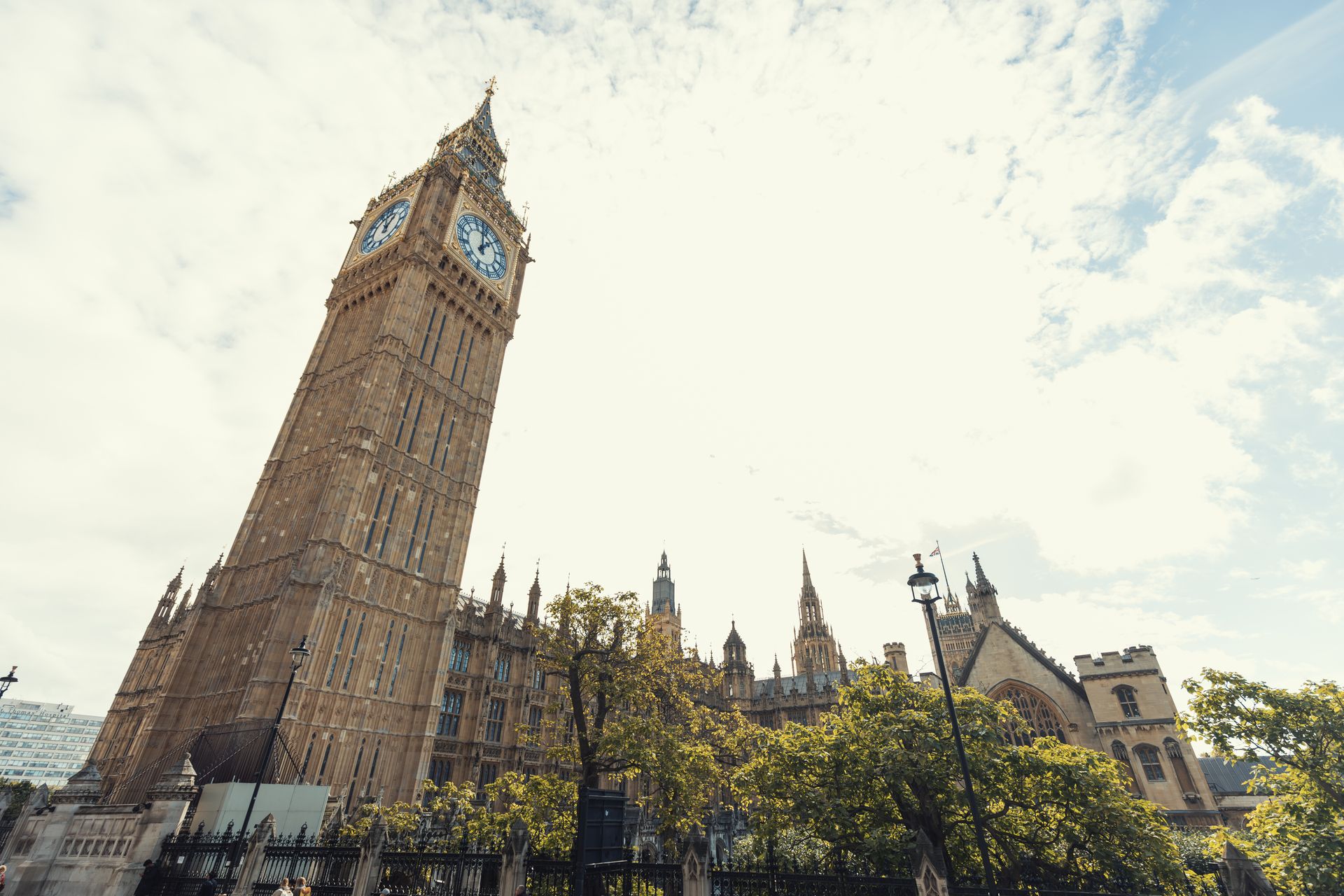
Big Ben, the Abbey, the river — maximum sightseeing per step. Convenient and impressive; also the most tourist-thick and expensive. Great for a first visit, less relaxing.
What to Ask Every London Hotel
Many classic London hotels are converted townhouses. Email ahead: is there a lift to all floors? Georgian buildings often have steep, narrow stairs and no elevator.
Getting Around: The Step-Free Reality
The Tube is fast and comprehensive — and many older stations have only stairs and long escalators. The 50+ London transit playbook:
- Buses: the secret weapon — same fare system, step-free boarding, and you see the city. The #11, #24, and #148 routes are practically sightseeing tours.
- Step-free Tube map: Transport for London publishes one — check before you go and plan around accessible stations.
- Black cabs: iconic, knowledgeable (the Knowledge is real), and worth it for crosstown trips or tired evenings.
- Oyster/contactless: just tap your bank card — no ticket needed, daily fare capping applies automatically.
The Free Museums (A 50+ Superpower)
British Museum: two million years of human history, free. Go at 10am opening, head to the Great Court, pick two galleries (Egyptian and Greek are unmissable), leave by lunch.
National Gallery: Trafalgar Square, free, one of the world's great painting collections. The Sainsbury Wing's early Renaissance rooms are transcendent.
V&A (Victoria and Albert): decorative arts in a stunning building — jewelry, fashion, sculpture. Calmer than the British Museum, arguably more beautiful.
The rule: one museum per day, maximum. They're free, so there's no pressure to marathon — come back tomorrow.
Theatre, Parks & Day Trips
Theatre matinees: the West End's best-kept 50+ secret — same productions as evenings, cheaper tickets, and you're home for a relaxed dinner. Book ahead for the big shows; the TKTS booth in Leicester Square discounts same-day seats.
Parks as rest stops: Hyde Park, Regent's Park, and Kew Gardens (the last is worth the Tube ride) are flat, free, and beautiful. Plan a park bench between sights.
Windsor (1 hr by train): the castle is magnificent; the State Apartments involve some walking but it's manageable. Go on a weekday.
Bath (90 min by train): Georgian perfection and the Roman Baths. A full day, very walkable, utterly charming.
Area Map
Frequently Asked Questions
Is the London Underground senior-friendly?
Partially. It's fast but many older stations have stairs and long escalators with no elevator. Use Transport for London's step-free Tube map to plan, lean on buses (step-free, same fares, scenic), and take black cabs when tired. Contactless bank cards work for all fares with daily capping.
Are London museums really free?
Yes — the British Museum, National Gallery, V&A, Tate Modern, Natural History Museum, and Science Museum are all free, no tickets required. Special exhibitions cost extra. Because they're free, visit in short morning bursts rather than marathon days.
What is the best neighborhood for older travelers in London?
South Kensington — elegant, calm, walkable, with three world-class free museums within blocks and excellent Tube connections. Bloomsbury is the best-value central alternative.
How many days do I need in London?
Five full days is the sweet spot: three museum mornings, a theatre matinee, a park afternoon, and a day trip. London rewards depth — fewer sights per day, more lingering.
Get Price-Drop Alerts for This Destination
Watching fares? We'll email you when prices drop 10% or more. Free.
Set a Free Price Alert →