Napa Valley After 50: A Comfort-First Guide for Travelers 50+
Wine country at a civilized pace — here's how to do Napa comfortably after 50: reservations, the 2-winery rule, drivers and tours, and when to visit.
⚡ Key Takeaways
- Reservations are mandatory: nearly all tastings now require advance booking — no walk-ins.
- The 2-winery rule: two tastings per day is the comfortable maximum; three is a marathon.
- Don't drive: hire a driver or join a small tour — the roads are rural and tastings add up.
- Best base: Yountville (foodie, walkable) or St. Helena (classic wine town); Napa town is livelier and cheaper.
- Beyond wine: Oxbow Public Market, Calistoga hot springs, hot-air ballooning (dawn, gentle).
- Best months: September–October (harvest) and April–May (mustard blooms, fewer crowds).
Is Napa Valley Worth It After 50? The Honest Answer
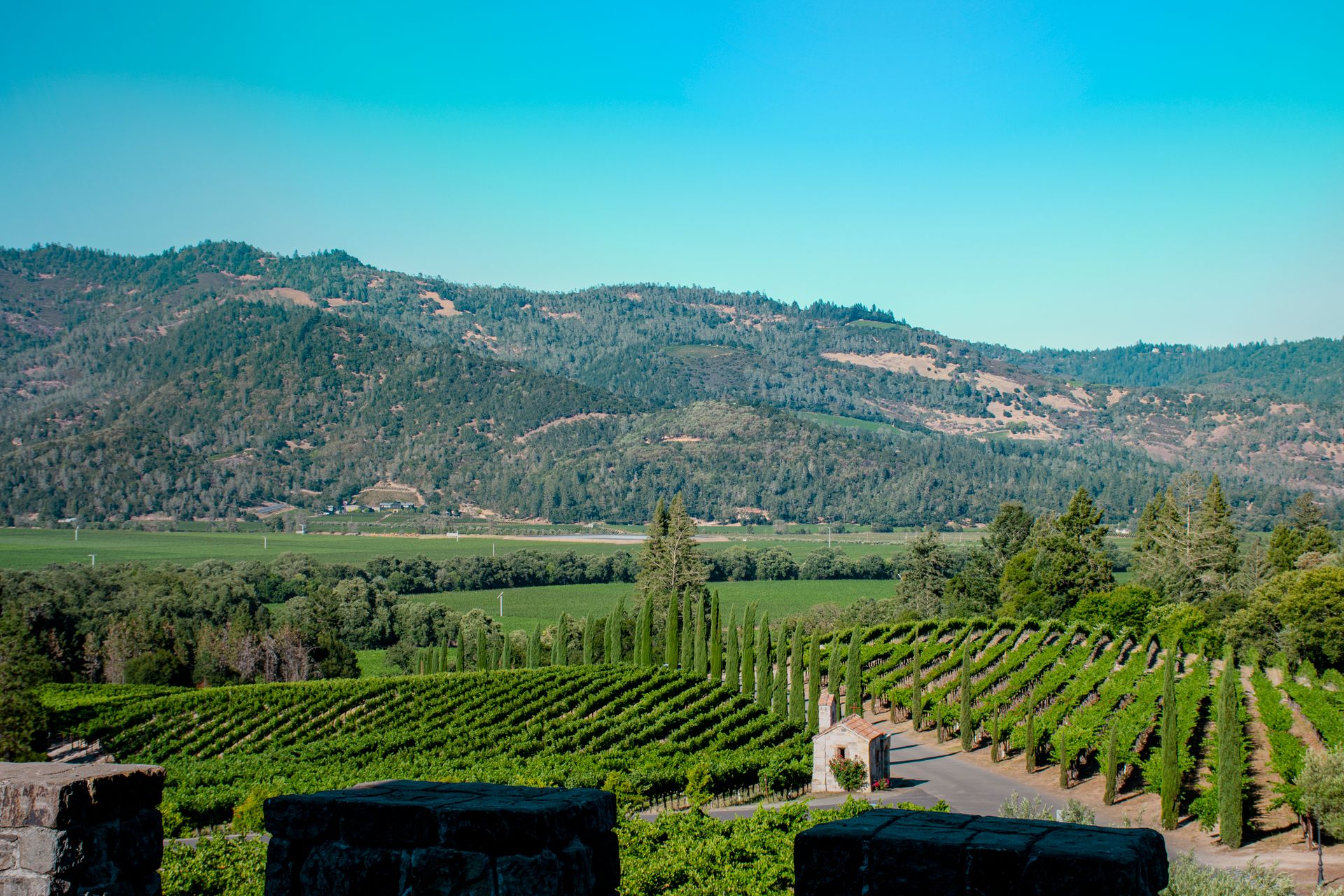
Napa is wine country at its most polished — rolling vineyards, world-class restaurants, small towns that feel like a movie set. For 50+ travelers it's a natural fit: the pleasures here are tasting, lingering over lunch, and watching the light change over the vines. Nobody is in a hurry, and that's the point.
The honest caveats: it's expensive (tastings, hotels, and dinners all run high), nearly everything now requires advance reservations, and the valley is 30 miles long — you need a driving plan. With reservations made and a driver booked, it's one of the most relaxing trips in America.
The Reservation Reality
This is the single most important thing to know: the walk-in tasting is nearly extinct in Napa. Almost every winery now requires advance reservations, often booked days or weeks out — especially on weekends and during harvest. The days of wandering in off the Silverado Trail are over.
- Book 2–4 weeks ahead for weekends; a week is usually fine midweek.
- Two wineries per day is the comfortable pace — a morning tasting, long lunch, afternoon tasting, done.
- Mix it up: one grand estate (the architecture is half the experience) + one small family winery (the personal touch).
- Eat between tastings: a real lunch, not crackers. Your afternoon self will thank you.
Where to Stay
Yountville — Best Overall for 50+
The valley's culinary heart: walkable, beautiful, home to legendary restaurants and tasting rooms you can reach on foot. The most charming base, and the priciest.
St. Helena — Classic Wine Town
A storybook main street, excellent restaurants, central to both valley floor and mountain wineries. Slightly calmer than Yountville.
Napa (Town) — Livelier, Better Value
The south end of the valley: the Oxbow Public Market, a revitalized downtown, more hotel options at lower prices. A 20-minute drive to the heart of wine country.
Calistoga — Hot Springs & Relaxed
The north end: famous for mud baths and hot springs (a perfect 50+ afternoon), plus the otherworldly Castello di Amorosa winery. Quieter, more spread out.
Getting Around: Don't Drive Yourself
Napa's roads are rural, winding, and patrolled — and tastings accumulate faster than you expect. The 50+ move:
- Private driver: the gold standard — your itinerary, your pace, door to door. Book ahead; the good ones fill up.
- Small-group tour: 6–8 people, curated wineries, lunch included, new friends. Less flexible, much cheaper.
- The Wine Train: a vintage rail journey with lunch through the valley — zero driving, maximum scenery. Genuinely fun.
Beyond the Glass
Oxbow Public Market (Napa): the valley's food hall — oysters, cheese, chocolate, and people-watching. A perfect non-tasting afternoon.
Calistoga hot springs: natural geothermal pools and the famous mud baths. Book a soak for your arrival or departure day.
Hot-air ballooning: dawn flights over the valley at sunrise — gentle, silent, unforgettable. Book the first slot of your trip in case of weather cancellations.
Harvest (Sept–Oct) vs. mustard season (Feb–Mar): harvest is electric and crowded; late winter brings yellow mustard blooms between the vines with a fraction of the visitors.
Area Map
Frequently Asked Questions
Do I need reservations for Napa wine tastings?
Yes — nearly all Napa wineries now require advance reservations. Book 2–4 weeks ahead for weekends, about a week for weekdays. Walk-in tastings are essentially extinct in the valley.
How many wineries should I visit per day?
Two is the comfortable maximum: a morning tasting, a long lunch, an afternoon tasting. Three in a day is exhausting and the wines blur together. Quality over quantity — you'll remember two great visits far better than four rushed ones.
Is Napa Valley expensive?
Yes, honestly. Tastings, hotels, and dinners all run high — it's a premium destination. Ways to manage: visit midweek, stay in Napa town rather than Yountville, picnic from Oxbow Market or Dean & DeLuca instead of restaurant lunches, and mix grand estates with smaller family wineries.
What is the best time to visit Napa Valley?
September–October for harvest energy (book everything early), April–May for mustard blooms and fewer crowds, February–March for the quietest season and bud break. Summer is hot and crowded.
Get Price-Drop Alerts for This Destination
Watching fares? We'll email you when prices drop 10% or more. Free.
Set a Free Price Alert →