New Orleans After 50: A Comfort-First Guide for Travelers 50+
Jazz, Creole food, and 300 years of soul — here's how to enjoy New Orleans comfortably after 50: where to stay, heat strategy, and music without the late nights.
⚡ Key Takeaways
- Best base: Garden District or French Quarter edge — charming, walkable, quieter than Bourbon Street.
- Heat & humidity: the real challenge — visit October–April; midday breaks are essential in warm months.
- Music without late nights: daytime jazz at Preservation Hall and Frenchmen Street early sets.
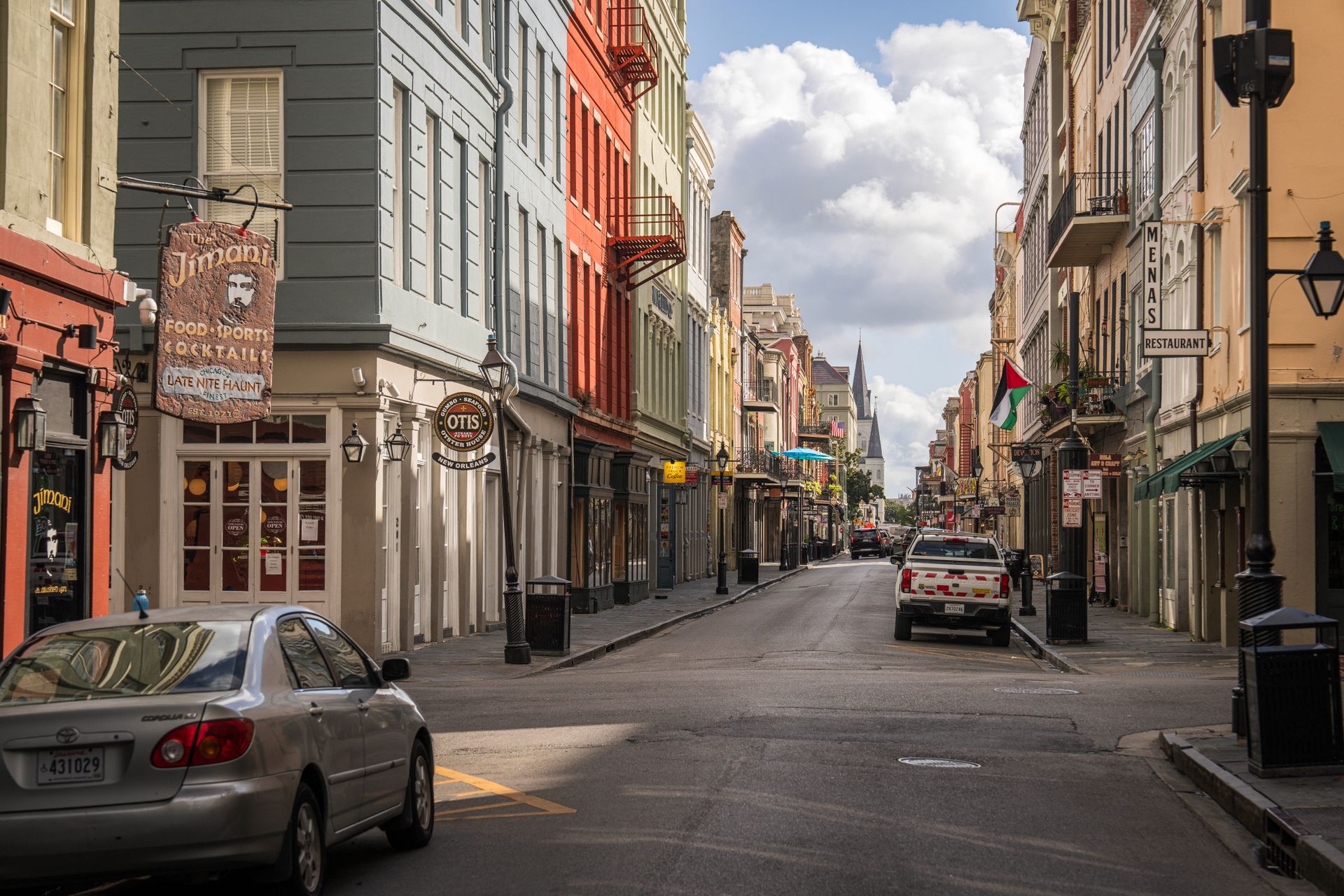
- Bourbon Street: see it once in daylight — the real city is on Frenchmen, Royal, and Magazine.
- Food strategy: long lunches, early dinners — Creole cuisine rewards lingering, not rushing.
- Streetcars: the St. Charles line is a rolling sightseeing tour and genuinely useful transit.
Is New Orleans Worth It After 50? The Honest Answer
New Orleans is America's most soulful city — live jazz spilling from doorways, Creole kitchens that have perfected recipes over generations, architecture that looks like nowhere else in the country. For travelers 50+, it's a gift: the city's greatest pleasures (music, food, strolling) reward exactly the unhurried pace that suits us best.
The honest caveats: summer heat and humidity are punishing, Bourbon Street after dark is a young person's carnival, and the city's romance comes with uneven sidewalks and the occasional rough edge. But the New Orleans that matters — the music, the food, the neighborhoods — is deeply welcoming to mature travelers who plan around the heat.
Where to Stay: Garden District Wins for Comfort
Garden District — Best Overall for 50+
Oak-lined streets, antebellum mansions, and a residential calm just minutes from the action. The St. Charles streetcar runs straight through it to the French Quarter. Quieter nights, beautiful morning walks, and some of the city's best restaurants (Commander's Palace territory). This is the 50+ sweet spot.
French Quarter (Upper End, Near Esplanade) — Atmospheric
The Quarter's upper end near Esplanade Avenue is mellower than the Bourbon Street chaos — historic, walkable, close to Frenchmen Street music. Lovely if you want to be in the middle of it, but confirm your hotel isn't above a late-night bar.
Warehouse District — Modern, Walkable
Converted warehouses, contemporary hotels with elevators, the WWII Museum, and good restaurants. Flat, modern, and an easy walk to the Quarter. A solid practical choice.
Where to Avoid
Directly on Bourbon Street — the noise runs until 4am and the crowds are intense. Visit it; don't sleep on it.
The Heat & Humidity Strategy (Critical)
New Orleans from June through September combines 90°F+ temperatures with Gulf humidity that makes the air feel thick. This isn't a minor inconvenience — it's the single biggest factor in your trip. The strategy:
- Visit October–April: 60s–70s°F, festivals year-round, the city at its best.
- If summer is unavoidable: sightsee 8–11am, retreat to air conditioning 12–4pm, re-emerge for evening music.
- Hydrate constantly: the humidity dehydrates you without obvious sweating. Carry water everywhere.
- Dress for it: light, breathable fabrics; the city is casual — linen is practically a uniform.
Music Without the Late Nights
You don't need to stay out until 2am to hear great New Orleans music. The 50+ playbook:
- Preservation Hall: intimate traditional jazz in the French Quarter — early evening shows, seated, sublime. Book ahead.
- Frenchmen Street: the locals' music strip — clubs like Snug Harbor and d.b.a. have early sets starting around 7–8pm.
- Jazz brunch: a New Orleans institution — Commander's Palace and others pair live jazz with legendary brunch. The most civilized way to hear music in the city.
- Street performers: Royal Street and Jackson Square host excellent buskers all afternoon — free, daylight, no commitment.
Eating Well: The Long Lunch Strategy
Creole and Cajun cuisine is the other great art form here. The 50+ approach: make lunch the main event. Classic restaurants serve their full menus at midday with easier reservations and a relaxed pace. Then a light evening — maybe beignets at Café du Monde (open 24 hours, go at 8am to skip lines) or a po'boy on a bench in the Quarter. Your stomach and your schedule will thank you.
Area Map
Frequently Asked Questions
Is New Orleans safe for senior travelers?
The main tourist areas (French Quarter, Garden District, Warehouse District) are well-trafficked and generally safe with normal city awareness. Stick to well-lit streets at night, avoid wandering into unfamiliar blocks alone after dark, and use ride-shares late at night rather than walking long distances.
When is the best time to visit New Orleans?
October through April: 60s–70s°F, lower humidity, and festival season (French Quarter Fest in April, Jazz Fest late April–early May). Avoid June–September when heat and humidity are punishing.
Is Bourbon Street worth visiting?
Once, in daylight — it's a spectacle. After dark it's loud, crowded, and geared to a younger party crowd. The city's real music and food scenes live on Frenchmen Street, Royal Street, and Magazine Street.
Where should older travelers stay in New Orleans?
The Garden District — oak-lined, residential, beautiful, with the St. Charles streetcar connecting to the French Quarter. Quieter nights and lovely morning walks. The upper French Quarter near Esplanade is the best in-the-action alternative.
Get Price-Drop Alerts for This Destination
Watching fares? We'll email you when prices drop 10% or more. Free.
Set a Free Price Alert →