Quebec City After 50: A Comfort-First Guide for Travelers 50+
Europe in North America — no jet lag required. Here's how to enjoy Quebec City comfortably after 50: the funicular trick, best seasons, and where to stay.
⚡ Key Takeaways
- Upper vs Lower Town: stay UPPER (flat) — visit Lower Town via the funicular, not the stairs.
- The funicular: $5, runs constantly, saves 100+ steps between the towns. Use it every time.
- Language: French-first but everyone speaks English — a few French phrases earn big smiles.
- Winter: the Carnival (Feb) is magical but COLD — or visit in fall for perfect weather.
- Best months: September–October (fall colors) and December (Christmas markets).
- Walking: Upper Town is flat and compact; Lower Town is the hilly part — plan accordingly.
Is Quebec City Worth It After 50? The Honest Answer
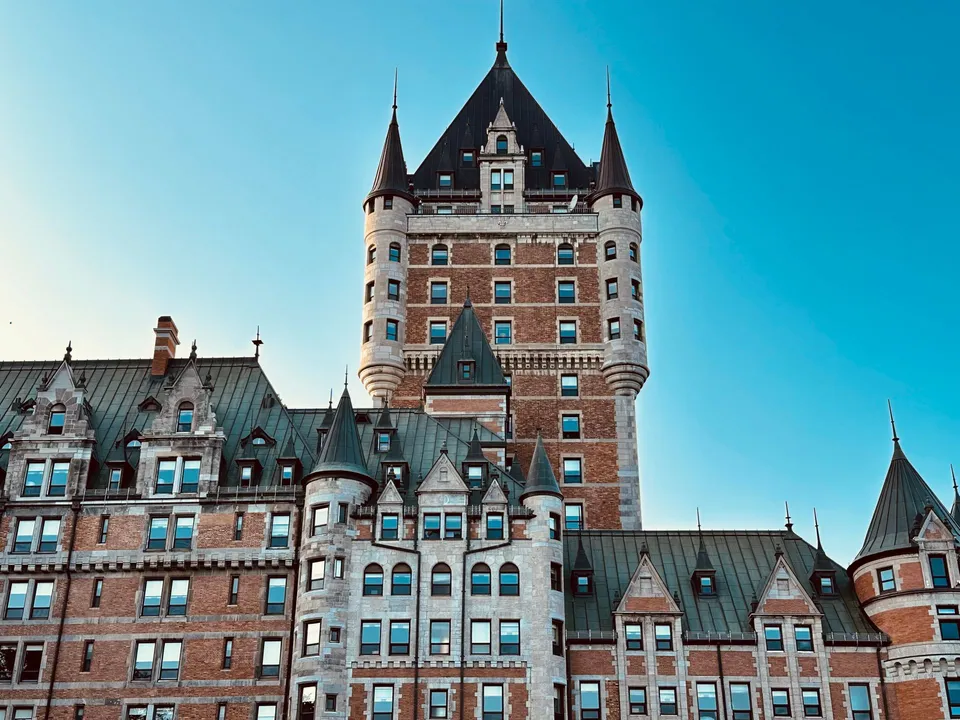
Quebec City is the closest thing to Europe without crossing an ocean — 400-year-old stone walls, the Château Frontenac towering over the St. Lawrence, French café culture, and winter that turns the whole city into a snow globe. For 50+ travelers, it's a revelation: all the old-world charm, none of the jet lag.
Honest caveats: the city is built on a cliff — Upper and Lower Town differ by 100+ vertical feet. Winter is seriously cold. And while everyone speaks English, the French-first culture rewards a little effort. All manageable with the funicular strategy below.
Upper Town vs Lower Town: The Only Decision That Matters
Upper Town — Stay Here (Flat)
Inside the old walls: the Château Frontenac, Terrasse Dufferin boardwalk, Place d'Armes, the cathedral. Flat, compact, walkable, gorgeous. This is where 50+ travelers should sleep — every morning starts on level ground.
Lower Town — Visit (Hilly, Charming)
Place Royale, Petit-Champlain street, the old port — the prettiest quarter and the steepest. The funicular connects Terrasse Dufferin (Upper) to Lower Town in 60 seconds for a few dollars. It runs constantly. There is no reason to climb the Breakneck Steps unless you want the workout.
The Funicular Rule
Ride it down, ride it back up, every single time. At ~$5 per ride it's the best value in Quebec tourism. The views during the 60-second descent are spectacular.
When to Visit
September–October: the consensus best — fall colors, crisp 50s–60s°F, harvest food, thin crowds. Absolutely glorious.
December: the German Christmas Market, snow on the ramparts, the Frontenac lit up — the most romantic winter city in North America. Dress in real winter gear.
February (Carnaval): the world's largest winter carnival — ice palace, night parades, maple taffy on snow. Magical and genuinely cold (teens°F). Not for the cold-averse.
June–August: lovely and lively, peak crowds, festival season. Fine but not the sweet spot.
Language & Culture
Quebec City is French-first: signs, menus, and greetings start in French. Everyone in tourism speaks fluent English, so there's zero practical barrier. But five phrases — bonjour, merci, s'il vous plaît, excusez-moi, au revoir — transform the warmth you receive. The Québécois are proud of their culture and generous when they see effort.
What to See (Comfort-Paced)
Day 1 — Upper Town: Terrasse Dufferin boardwalk (flat, stunning river views), the Citadelle (guided tour, some walking), Place d'Armes, lunch on Rue Saint-Jean.
Day 2 — Lower Town via funicular: Place Royale, Notre-Dame-des-Victoires (oldest stone church in North America), Petit-Champlain shopping street, Musée de la civilisation. Funicular back up for dinner.
Day 3 — Île d'Orléans: a 15-minute drive — roadside farm stands, strawberry wine, chocolate shops, and the prettiest rural views near any North American city. Go hungry.
Area Map
Frequently Asked Questions
Do I need to speak French in Quebec City?
No — everyone in tourism speaks fluent English. But learning five basic phrases (bonjour, merci, s'il vous plaît, excusez-moi, au revoir) earns noticeably warmer service. Signs and menus are French-first, which is part of the charm.
Is Quebec City hilly?
The city is split between flat Upper Town (inside the walls — stay here) and hilly Lower Town. The funicular connects them in 60 seconds for a few dollars. Stay upper, ride the funicular, and hills are a non-issue.
When is the best time to visit Quebec City?
September–October for fall colors and perfect weather, or December for the Christmas market and snow-globe atmosphere. February's Winter Carnival is spectacular but very cold.
How many days do I need in Quebec City?
Three full days is ideal: one for Upper Town, one for Lower Town (via funicular), and one for Île d'Orléans. It's compact enough that you won't feel rushed, rich enough that you won't feel done.
Get Price-Drop Alerts for This Destination
Watching fares? We'll email you when prices drop 10% or more. Free.
Set a Free Price Alert →