Rome After 50: A Comfort-First Guide for Travelers 50+
Rome is magnificent and exhausting in equal measure. Here's how to do it comfortably after 50: neighborhoods, cobblestone tips, and crowd-beating strategies.
⚡ Key Takeaways
- Cobblestones are the real challenge: wear supportive shoes; the centro storico is beautiful but uneven.
- Best base: Prati (near Vatican) — flat, elegant, residential, great restaurants.
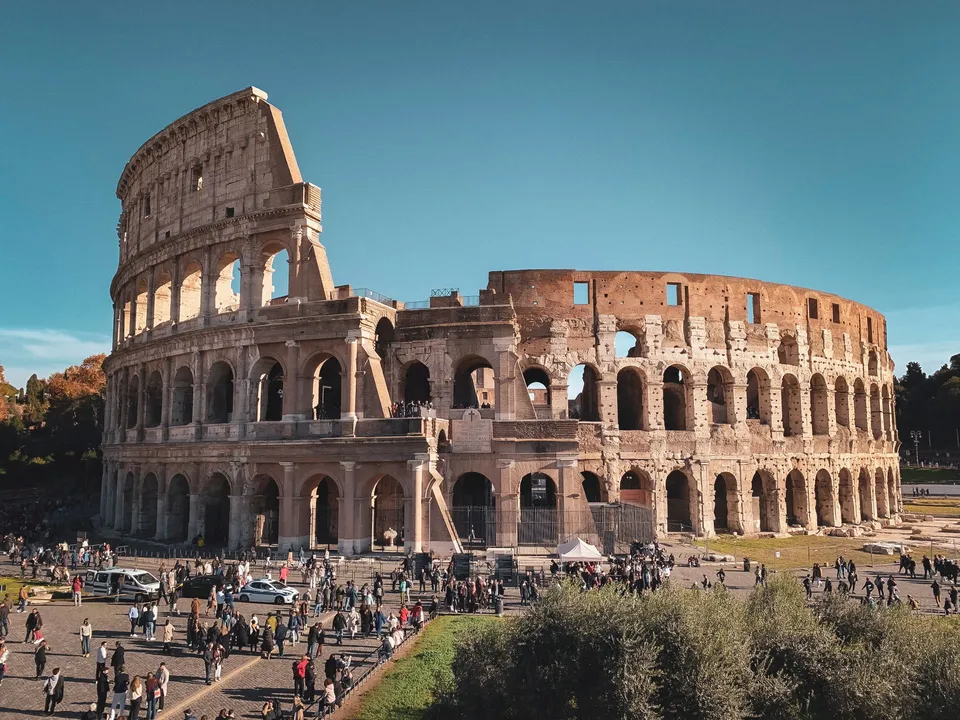
- Colosseum: book timed entry weeks ahead; go at opening for thinnest crowds.
- Pacing: ancient sites in the morning, long lunch, rest, evening passeggiata.
- Best months: April–May and September–October. Avoid August (heat + closures).
- Taxis: white licensed taxis are affordable — use them without guilt.
Is Rome Worth It After 50? The Honest Answer
Rome is the greatest open-air museum on earth — 28 centuries of history stacked in one walkable center. For travelers 50+, it's deeply rewarding: the art, the food, the sheer weight of the place lands harder with life experience behind you.
The honest caveats: cobblestones everywhere, summer heat that radiates off ancient stone, and crowds at the big three (Colosseum, Vatican, Pantheon) that can test anyone's patience. Rome rewards strategy more than stamina.
Where to Stay: Prati Wins for Comfort
Prati — Best Overall for 50+
Just north of the Vatican, Prati is flat, elegant, and residential — wide streets (rare in Rome), excellent restaurants where locals actually eat, and the Ottaviano metro stop. Ten minutes' walk to St. Peter's, well-connected everywhere else.
Centro Storico (Pantheon/Piazza Navona) — Atmospheric, Uneven
The romantic heart: car-free lanes, baroque piazzas, the Pantheon glowing at night. Gorgeous — and the cobblestones are at their most ankle-twisting here. If you stay here, pack serious walking shoes and choose a hotel with an elevator.
Trastevere — Charming, Hillier
Rome's beloved bohemian quarter across the Tiber: ivy-covered lanes, trattorias, golden light. Lovely for dinner; the Janiculum hill behind it is steep. Visit, dine, don't necessarily sleep here if hills are a concern.
The Cobblestone Strategy
Roman sampietrini cobblestones are beautiful and brutal — uneven, slippery when wet, merciless on knees and ankles. This is the single most important practical tip for Rome after 50:
- Shoes: supportive walking shoes with thick soles, not fashion sneakers. Break them in before the trip.
- Pace: the stones punish rushing. Slow down; Romans do.
- Rest stops: plan café breaks every 90 minutes. A €2 espresso at the bar buys you a seat and a breather.
- Rain: wet sampietrini are treacherous. On rainy days, stick to museums and covered sites.
Beating the Crowds at the Big Three
Colosseum: book the first timed-entry slot of the day, weeks in advance. You'll walk the arena floor nearly alone for 20 minutes. The combo ticket includes the Roman Forum and Palatine Hill — do the Forum the same morning while you're there.
Vatican Museums: book the earliest entry. The Sistine Chapel is at the end of a long one-way route — there's no shortcut, so conserve energy early. Wednesday papal audiences make St. Peter's Square electric (and crowded).
Pantheon: now requires a timed ticket (€5). Go at 9am opening — you'll have the oculus light beam nearly to yourself.
When to Visit
April–May & September–October: the sweet spots — 65–75°F (18–24°C), flowers or harvest light, manageable crowds.
June–July: hot but the long evenings are magical. Sightsee 8am–noon, rest through the heat, re-emerge at 6pm.
August: Romans flee; many family restaurants close. Ferragosto (Aug 15) empties the city. Cheaper, quieter, but less authentic.
November–March: cool, occasionally rainy, gloriously crowd-free. The light on ancient stone in winter is unforgettable.
Area Map
Frequently Asked Questions
Is Rome too much walking for seniors?
Rome demands walking — the historic center is best on foot. But it's manageable: plan 2–3 miles per day, use taxis between distant sites (Vatican to Colosseum is a €12 ride that saves an hour of walking), and build in a midday rest. The key is pacing, not avoiding walking entirely.
How do I skip the line at the Colosseum?
Book a timed-entry ticket on the official Coopculture site weeks ahead — choose the first morning slot. Third-party 'skip the line' tours work but cost 3–4x more. Never buy from touts outside; the official ticket is all you need.
Are Rome's cobblestones dangerous?
They demand respect, not fear. Wear supportive shoes with thick soles, slow down, avoid rushing, and skip the most uneven lanes on rainy days. Most 50+ travelers handle them fine with the right footwear and pace.
What's the best neighborhood for older travelers in Rome?
Prati — flat, elegant, residential, great local restaurants, and walking distance to the Vatican. The centro storico is more atmospheric but the cobblestones are tougher and hotels pricier.
Get Price-Drop Alerts for This Destination
Watching fares? We'll email you when prices drop 10% or more. Free.
Set a Free Price Alert →