TSA Staffing Crisis: A 50+ Traveler's Survival Guide
Security lines are stretching toward 3 hours as TSA callouts spike — and travelers 50+ feel it most. Here's a calm, practical playbook for getting through it.
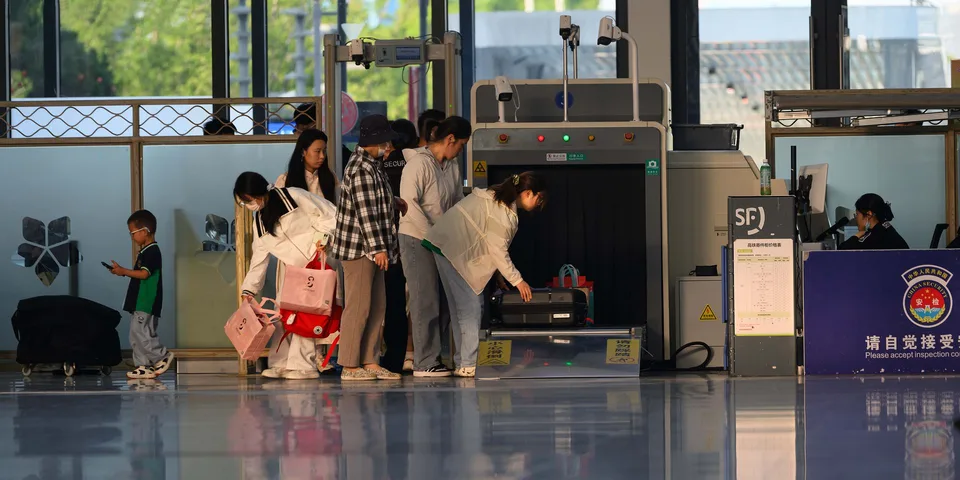
⚡ What's Happening Right Now
- TSA callouts hit 10.19% nationally on Sunday — roughly one in ten screeners absent.
- ~3-hour waits reported at New York LaGuardia; 2+ hours at Houston Hobby and Atlanta.
- Smaller airports are the wild card — lines swinging from 15 minutes to 2 hours with little warning.
- A TSA official warned smaller airports could "quite literally shut down" if callout rates rise further. No airport has actually shut down.
- Why 50+ travelers are hit hardest: long standing lines are punishing on knees, backs, and stamina — and rebooking chaos hits fixed itineraries hardest.
The 50+ Playbook: Before You Leave Home
1. Call TSA Cares (seriously — almost nobody does)
TSA Cares is a free helpline — 855-787-2227 — for travelers with disabilities, medical conditions, or mobility needs. Call at least 72 hours before your flight and TSA can arrange checkpoint assistance: a dedicated lane, a passenger support specialist to walk you through screening, or accommodation for medical devices and medications.
If standing for an hour is difficult for you, this is the single highest-value call you can make. It costs nothing and exists precisely for this situation.
2. Get TSA PreCheck — the closest thing to a guarantee
PreCheck lanes move dramatically faster: shoes stay on, laptops stay packed, and the lanes are staffed separately from standard screening. Enrollment costs $78 for five years, and many travel credit cards reimburse the fee entirely.
During a staffing crisis, the dedicated PreCheck lane is the most reliable shortcut available. If you fly even twice a year, it pays for itself in avoided stress alone. CLEAR (where available) can stack on top for identity-verification speed, but PreCheck is the essential one.
3. Do the arrive-earlier math
The old rule — 2 hours domestic, 3 hours international — assumed normal staffing. Right now, add a full extra hour:
- Domestic flights: arrive 3 hours early.
- International flights: arrive 4 hours early.
- Connecting flights: give yourself longer layovers when booking — tight 45-minute connections are a gamble right now.
Yes, you'll spend more time at the gate. That's the trade: boredom at the gate beats panic in the security line.
4. Pack your carry-on like a survival kit
Put everything you need for a long wait — and a possible overnight delay — in your personal item, not the overhead bin:
- Medications for an extra 24 hours, in original containers.
- Snacks and water (empty bottle through security, fill after).
- Phone charger / power bank — rebooking happens by app now.
- Reading material, layers, and any mobility aids you might need while standing.
Before You Book: Protect the Trip
Check your travel insurance — or your credit card's built-in trip-delay coverage — before you fly. Many premium travel cards reimburse meals and hotels when delays strand you overnight. Know your coverage limits now, not at midnight in a terminal.
Book flexible fares where the price difference is small. During disruption periods, the ability to change flights without a penalty fee is worth more than usual.
Save your airline's app and customer-service number in your phone. When lines are long, rebooking by phone or app beats standing in the customer-service queue.
If You're Stuck: Rebooking Rights
The honest truth first: airlines are not legally required to rebook you for free if you miss your flight because of long TSA lines — the delay isn't the airline's fault. In practice, though, most airlines will rebook you on the next available flight at no charge, especially if you can show you arrived with plenty of time to spare.
- Ask calmly at the gate or by phone: "I arrived three hours early but the security line was [X] hours. Can you rebook me on the next flight?" Politeness and a paper trail (boarding pass timestamp, photos of the line) help.
- If you're stranded overnight: this is where trip-delay insurance earns its keep — meals, hotel, and essentials are typically covered after a 6–12 hour delay, depending on the policy.
- Know the DOT's delayed rules: the airline-fault reclassification rule has been postponed to February 2027 — through the holidays, the current passenger protections stand as they are.
The Bottom Line for 50+ Travelers
This is a staffing problem, not a safety problem — the screening itself isn't less thorough, it's just slower. The travelers who suffer most are the ones who arrive at the old times and hope for the best. Arrive earlier, call TSA Cares if you have any mobility or medical need, get PreCheck, and pack for the wait. A little preparation turns a potential ordeal into an ordinary travel day.
Conditions are changing quickly. We'll update this guide as the situation develops — and if you're flying through a major hub this season, our France travel safety guide and NFL Paris game guide cover the other big story affecting travelers right now.
Frequently Asked Questions
How early should I arrive at the airport during the TSA staffing crisis?
Add at least an extra hour to the usual guidance: 3 hours before domestic flights and 4 hours before international ones, from major hubs like LaGuardia, Atlanta, or Houston Hobby where 2–3 hour waits have been reported. Smaller airports are less predictable — lines there can swing from 15 minutes to 2 hours — so the extra hour applies everywhere right now.
What is TSA Cares and how does it help travelers over 50?
TSA Cares is a free helpline (855-787-2227) for travelers with disabilities, medical conditions, or mobility needs. Call at least 72 hours before your flight and TSA can arrange assistance at the checkpoint — a dedicated lane, a passenger support specialist, or help with medical devices and medications. It is the single most underused resource for 50+ travelers.
Is TSA PreCheck worth it right now?
Yes — more than ever. PreCheck lanes are consistently shorter because they move faster (shoes and laptops stay packed) and are staffed separately. Enrollment costs $78 for five years, and many travel credit cards reimburse the fee. During a staffing crisis, the shorter dedicated lane is the closest thing to a guarantee.
What happens if I miss my flight because of TSA lines?
Airlines are not legally required to rebook you for free if you miss a flight due to long security lines — the delay is not the airline's fault. In practice, many airlines will rebook you on the next available flight at no charge, especially if you arrived early. Travel insurance with trip-delay coverage can reimburse meals and hotels if you are stranded; check your policy or credit-card benefits before you fly.
Get Price-Drop Alerts for This Destination
Watching fares? We'll email you when prices drop 10% or more. Free.
Set a Free Price Alert →