Boston After 50: A Comfort-First Guide for Travelers 50+
America's most walkable big city — history on every corner, flat riverside paths, and world-class museums that reward going slow.
⚡ Key Takeaways
- Why it works after 50: compact and walkable downtown, flat riverside paths, superb public transit, and museums and gardens that reward an unhurried pace.
- Best base: Back Bay — flat, elegant, steps from the Public Garden and the T. The Seaport is the modern, flat alternative.
- Sightseeing without wearing out: take the Freedom Trail in sections, ride the T between neighborhoods, and let harbor cruises and the Esplanade do the walking for you.
- Senior transit win: riders 65+ get roughly half-price fares on the MBTA — a Senior CharlieCard for residents, or a government photo ID for reduced Commuter Rail and ferry fares.
- Best months: May–June and September–October. November is the quiet-value month — cooler, thinner crowds, holiday lights late in the month.
- Watch out for: Beacon Hill's steep brick sidewalks, Freedom Trail cobblestones, winter ice, and the climb to Bunker Hill.
- Ideal trip length: 3–4 days, with a Salem or Lexington day trip built in.
Why Boston Is Senior-Travel Gold
Boston is the rare American city built at a human scale. The historic core is compact — most of what you came to see sits within about two square miles — and the city rewards walking slowly: brick sidewalks, gas-lit lanes, a park in the middle of everything, and a harbor at the edge of it. There is no sprawl to fight, no car required, and the public transit system (locals call it "the T") actually goes where tourists want to go.
And the history is not a sideshow here; it is the city. The Freedom Trail threads 16 Revolutionary sites through downtown. The Public Garden has been blooming since 1837. The harbor that hosted the Tea Party still hosts working boats. For a first solo trip, a girlfriends' weekend, or a relaxed couples escape, Boston offers depth without demanding stamina — as long as you choose your base and your pace wisely.
Where to Stay: Flat Back Bay, Modern Seaport, or Pretty-but-Hilly Beacon Hill
Back Bay — The Comfort-First Pick
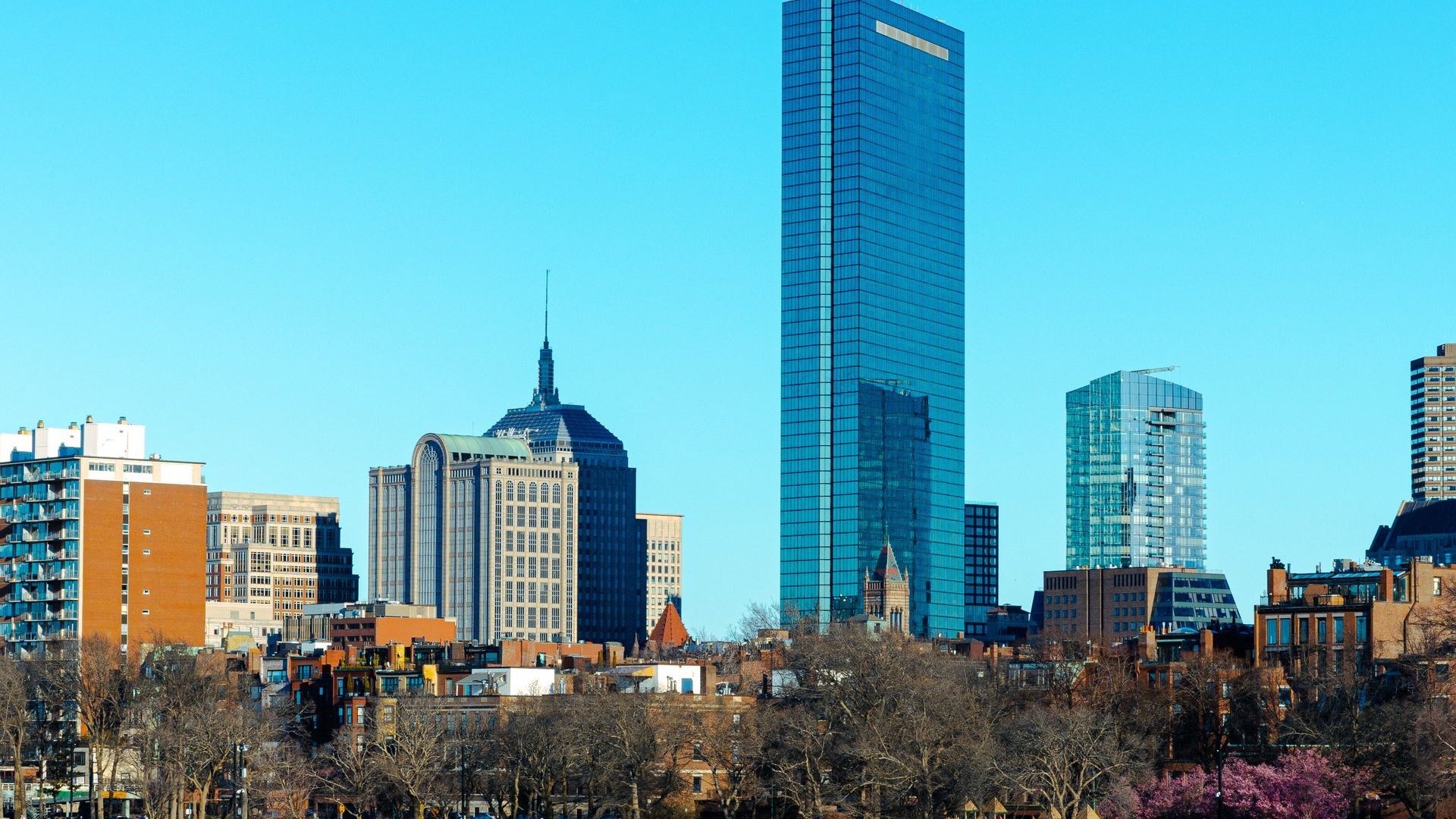
Back Bay is Boston's most graceful neighborhood: wide, flat, tree-lined streets of Victorian brownstones, the elegant shops of Newbury Street, and the Public Garden at its doorstep. It is genuinely level underfoot — a rarity in this city — and Copley Square puts you on the Green Line. Hotels here range from grand historic properties to comfortable mid-range stays. The tradeoff: it is one of the priciest areas, and weekend rates reflect it.
Seaport — Modern, Flat, Harbor Views
The Seaport is Boston's newest neighborhood: flat, wide sidewalks, modern hotels with elevators and walk-in showers as standard, and the harbor right there. It is a 10–15 minute walk (or a quick Silver Line ride) to downtown, and it feels calmer and more spacious than the historic core. The tradeoff: fewer historic charms, and the wind off the water can be brisk in late fall and winter.
Beacon Hill — The Prettiest, and the Hilliest
Beacon Hill is postcard Boston: gas lamps, brick row houses, Acorn Street (often called America's most photographed street). It is also the steepest neighborhood in the center — the hill is real, the brick sidewalks are uneven, and some charming inns have stairs and no elevator. Stay here only if slopes and steps genuinely don't bother you, or if you love the idea of waking up inside the postcard.
Cambridge / Harvard Square — Quieter, Across the River
Across the Charles River, Cambridge offers a calmer base with its own charms: Harvard Yard, bookshops, cafés, and the Red Line straight into downtown in minutes. The area around Harvard Square is mostly flat. The tradeoff: you will cross the river for most sightseeing, so budget the extra T rides.
Area Map
See where each area sits. Green = best for comfort and walkability.
Area Comparison at a Glance
| Area | Vibe | Walkability | Senior Comfort |
|---|---|---|---|
| Back Bay | Elegant, flat, classic | Excellent | ★★★★★ Flat streets, garden at your door |
| Seaport | Modern, spacious, harbor | Excellent | ★★★★★ New hotels, wide sidewalks |
| Beacon Hill | Historic, gas-lit, steep | Hilly | ★★★ Beautiful — if slopes don't bother you |
| Cambridge / Harvard Sq. | Collegiate, calm, bookish | Good (Red Line in) | ★★★★ Quiet, flat around the Square |
Hotel Comfort Checklist: Boston Edition
✅ Before you click "book," confirm:
- Elevator access — historic Beacon Hill inns and some Back Bay brownstone hotels are converted 19th-century buildings with stairs only. Verify before booking an upper floor.
- Walk-in shower or accessible tub — older bathrooms can be quirky; confirm the setup matches your needs.
- Quiet location — streets near Fenway, the Theatre District, and busy Newbury Street corners stay lively late; ask for a courtyard-facing or upper-floor room.
- Heating that works well — Boston winters are genuinely cold. In late fall and winter, confirm the room heats properly and windows seal.
- Breakfast included — starting the day well-fed and unhurried matters, especially when the first hours are the best for sightseeing.
- Parking — or skip the car entirely — downtown parking is expensive and scarce. Boston is a transit-and-walking city; a rental car is a burden, not a help.
The Freedom Trail at Your Pace
The Freedom Trail is a 2.5-mile red-brick line through downtown connecting 16 sites from the American Revolution — Boston Common, the Old State House, Paul Revere's House, the Old North Church, and the USS Constitution across the harbor in Charlestown. It is one of the great urban walks in America, and it is entirely free to follow on your own.
The comfort-first way to do it is in sections, not in one heroic march:
- Day one — the downtown half: Boston Common to Faneuil Hall. Mostly flat, with benches, cafés, and the Public Garden nearby for rest stops. This is the most rewarding stretch per step.
- Day two — the North End: Paul Revere's House and the Old North Church, with an Italian lunch in the North End afterward. The streets here are narrow and cobbled in spots — good shoes matter.
- Charlestown — optional: the USS Constitution (the ship itself is free to tour; bring photo ID) and the Bunker Hill Monument. The monument climb is 294 steps — admire it from the ground unless stairs are your friend. Reach Charlestown by water taxi or bus rather than walking the bridge.
Getting Around: The T, Your Feet, and the Senior Discount
Boston's subway and bus system — the MBTA, or "the T" — is the easiest way to move between neighborhoods. The Red, Green, Orange, and Blue lines all meet downtown, and most central sights are a short ride or a flat walk apart.
- Senior fares: riders 65 and older get roughly half-price fares on the subway, bus, Commuter Rail, and ferry. Massachusetts residents can apply for a Senior CharlieCard; visitors 65+ can show a valid government-issued photo ID to a conductor or ferry official for reduced Commuter Rail and ferry fares. Check current details on the MBTA site before you travel.
- Elevators: most downtown stations have elevators, but not all — and older stations can have gaps between train and platform. Check the MBTA's accessibility information for your stations before you go, and allow extra time.
- The Esplanade: the flat, paved Charles River Esplanade is Boston's best easy walk — benches, river views, sailboats, and the Hatch Shell. Start at the Public Garden end and walk as far as suits you; it is an out-and-back, so you set the distance.
- Rideshares: plentiful downtown for anything beyond comfortable walking range, and often the simplest answer in rain or cold.
Museums That Reward Going Slow
Boston's museums are built for lingering — and lingering is the whole point after 50:
- Museum of Fine Arts (MFA): one of America's largest art museums, in the Fenway. Go for the American wing and the Art of the Ancient Americas galleries, sit in the glass courtyard when you need a rest, and treat it as a two-visit museum rather than a one-day marathon. Check the museum's site for current admission and any free or discounted days before you go.
- Isabella Stewart Gardner Museum: a Venetian palazzo built around a flower-filled courtyard, with a famous art-heist story attached. Intimate, beautiful, and very manageable in an hour or two — the courtyard itself is worth the visit.
- Boston Tea Party Ships & Museum: a hands-on, theatrical telling of the Tea Party on a replica ship in the harbor. Fun, compact, and seated for much of it.
- John F. Kennedy Presidential Library: out on Columbia Point by the water — quieter, with harbor views and a thoughtful, unhurried pace. Reach it by the Red Line and the free shuttle.
The Public Garden & Boston Common: Free, Flat, and Lovely
The Public Garden, established in 1837 as America's first public botanical garden, sits beside Boston Common (America's oldest public park, dating to 1634). Together they are the green heart of the city — free, open year-round, flat, and full of benches.
- Swan Boats: the iconic swan-shaped paddle boats have glided across the Garden's lagoon since 1877. They run from mid-April through Labor Day (in 2026, April 18 through September 7, about $4.50 per adult) — so a November visitor will miss them, but the Garden itself, the Make Way for Ducklings statues, and the willow trees are lovely in any season.
- Boston Common: the Frog Pond, the Soldiers and Sailors Monument, and the start of the Freedom Trail. In winter it hosts a skating rink; in fall, the foliage is a show of its own.
- Rest strategy: both parks have abundant benches and shade. Plan your sightseeing around them — a morning on the Trail, a bench-and-coffee hour in the Garden, an afternoon at a museum.
The Harbor and the River: Let the Water Do the Walking
Boston is a harbor city, and its best easy sightseeing happens from the water:
- Harbor cruises: narrated harbor cruises run seasonally — many end in late October or early November, so check schedules before planning a November trip. A 90-minute cruise covers the skyline, the harbor islands, and the working waterfront without a single step of walking.
- Charles River: the Esplanade paths are flat and paved, and in summer, community sailing boats dot the river. From the Cambridge side, the river views back toward the skyline are the classic Boston postcard.
- Harborwalk: the flat, 43-mile Harborwalk threads along the waterfront; the downtown stretch from the Seaport to the North End is the most rewarding section, with benches and harbor views throughout.
The Food Scene: Come Hungry, Book Ahead
Boston eats well, and its food traditions are worth planning around:
- North End: the city's Italian heart — tiny trattorias, espresso bars, and cannoli from the famous pastry shops. Book dinner ahead; lunch is easier and just as good.
- New England classics: clam chowder (Boston's is cream-based), lobster rolls, and fresh oysters. The Union Oyster House, operating since 1826, is America's oldest continuously operating restaurant — historic, touristy, and genuinely atmospheric.
- Quincy Market & Faneuil Hall: the food hall is loud, crowded, and fun — go at off-peak hours, grab a seat, and sample rather than committing to one stall.
- Book ahead: popular restaurants fill days out, especially Thursday–Saturday. Lunch reservations are often easier than dinner and just as satisfying.
Dietary notes: most good restaurants handle gluten-free, vegetarian, and other needs gracefully — Boston's hospitality extends to the kitchen. Just mention it when booking.
Day Trips Worth the Effort
- Salem: about 30 minutes by Commuter Rail from North Station. The witch-trials history is the draw, but the flat, walkable downtown, the Peabody Essex Museum, and the harbor are the real rewards. October is Salem's busiest month by far — November is the calm, comfortable time to go.
- Lexington & Concord: where the Revolution began. The Minuteman National Historical Park's Battle Road is a flat, paved trail through history, and Concord's literary homes (Louisa May Alcott's Orchard House, the Emerson House) are an easy, gentle visit. Reachable by Commuter Rail to Concord.
- Cape Cod: a summer and early-fall escape — beaches, lighthouses, and whale watching. In November it quiets down considerably; check ferry and train schedules, as service is seasonal.
- Newport, Rhode Island: about 90 minutes by car or bus — Gilded Age mansions and the Cliff Walk. The mansions are the accessible highlight; the Cliff Walk itself has rough, uneven sections, so enjoy the paved stretches and skip the rest.
When to Visit: Seasons, Honestly
May through June is Boston's glory season: 65–75°F (18–24°C), gardens blooming, the Esplanade at its best. September and October are the fall equivalent — crisp air, fall color, thinner crowds after Labor Day. These are the months to target.
November is the quiet-value month: daytime temperatures typically in the 40s and 50s°F, far fewer tourists, better hotel rates, and holiday lights and the Common's tree lighting arriving late in the month. The tradeoffs are real — the Swan Boats are done for the year, some harbor cruises have stopped, and the days are short. Pack a warm layer and a rain jacket, and you'll have the city nearly to yourself.
December through February brings genuine winter: cold, wind, and icy sidewalks that demand careful footwear and a slower pace. It is beautiful — snow on Beacon Hill is a postcard — but it is not a comfort-first season unless you love the cold. July and August bring humidity and the biggest crowds; if heat bothers you, come in spring or fall instead.
How Much Time Do You Need?
Three to four days is ideal: a day for the downtown Freedom Trail and the Common, a day for Back Bay, the Public Garden, and a museum, a harbor or river morning plus the North End, and a day trip to Salem or Concord. Boston is an easy long-weekend trip from anywhere in the Northeast — fly into Logan (a quick T or water-taxi ride downtown), and home Sunday, fully restored.
If you loved Boston's walkable, historic feel, our Charleston guide covers America's most senior-friendly Southern city, Savannah offers 22 leafy squares at a gentle pace, and Quebec City brings Europe to North America without the jet lag.
Frequently Asked Questions
Is Boston walkable for seniors?
Yes — it is one of America's most walkable big cities, with a compact downtown and flat riverside paths. The honest exceptions are Beacon Hill's steep brick sidewalks, the Freedom Trail's cobblestones, and the climb to Bunker Hill. Base yourself in flat Back Bay or the Seaport, use the T for longer hops, and take the Trail in sections.
Is Boston safe?
The downtown, Back Bay, Beacon Hill, and Seaport areas are generally safe and well-patrolled, including in the evening. As in any city, stay aware at night, stick to well-lit streets, and secure valuables. Violent crime against visitors in the tourist core is uncommon.
Do I need a car in Boston?
No — Boston is a transit-and-walking city. The T covers the center, day trips like Salem run on the Commuter Rail, and downtown parking is expensive and scarce. Skip the rental car; use the T, rideshares, and your feet.
What's the best month for seniors to visit Boston?
May–June and September–October offer the mildest weather and the fullest experience. November is the quiet-value pick — cooler days, thinner crowds, and better rates — with the honest tradeoffs that the Swan Boats have ended and some harbor cruises have stopped for the season.
Get Boston Ideas in Your Inbox
Join the free waitlist for hand-picked travel ideas, comfort-first hotel notes, and fare alerts — written for travelers 50+.
Join the Free Waitlist