Porto After 50: A Comfort-First Guide for Travelers 50+
Portugal's second city is warm, affordable, and made for lingering — if you stop trying to climb it. Here's the comfort-first strategy: a river cruise that does the sightseeing, port tastings you enjoy seated, and flat bases on both banks of the Douro.
⚡ Key Takeaways
- Why it suits 50+: a compact center, a river cruise that covers the whole city seated, port lodges built around sitting and sipping, and prices gentler than most of Western Europe.
- Best base: Baixa, around Avenida dos Aliados — comparatively flat, central, and well served by metro. Avoid the steepest Ribeira lanes unless your knees are up for them.
- The hill strategy: ride the metro, the Guindais funicular, and the Gaia cable car uphill; walk downhill or along the flat riverfront only.
- The one outing to book first: the 50-minute Six Bridges cruise from the Ribeira or Gaia quay — about €20, departures roughly every half hour in season.
- Port, comfortably: the Gaia lodges run guided tours that end in seated tastings. Book ahead in busy months; ask about step-free access when you book.
- Best months: May–June and September–October; November is mild and quiet, with more rain.
Is Porto Worth It After 50? The Honest Answer
Porto is one of Europe's most atmospheric cities — a working riverside port where pastel houses stack above the Douro, church facades wear blue-and-white azulejo tiles, and the port lodges across the river have been aging wine for centuries. For travelers 50+, it offers something rare: a genuinely beautiful old city that is also gentler on the wallet than Lisbon, Paris, or Rome, with a food culture built around long, unhurried lunches.
The honest caveat is the terrain. Porto is built on hills, and the prettiest streets — the Ribeira lanes tumbling down to the river — are steep and cobbled. Porto rewards the traveler who plans around the hills instead of fighting them: ride uphill, stroll downhill, and let the river do the rest. If you can walk comfortably on the flat and ride a boat or a cable car for the rest, Porto will give you everything.
Where to Stay: Three Comfort-First Neighborhoods
Baixa (Avenida dos Aliados / Bolhão) — Our Pick for 50+
Porto's downtown grid around the grand Avenida dos Aliados is the flattest central base: wide boulevards, the Bolhão market, São Bento station's famous tile hall, and metro lines in every direction. The city's best shopping and cafés are here, and the river is a gentle downhill stroll — with a metro or taxi back up. This is the base that asks the least of your legs while putting the most within reach.
Ribeira — Atmospheric, Demanding
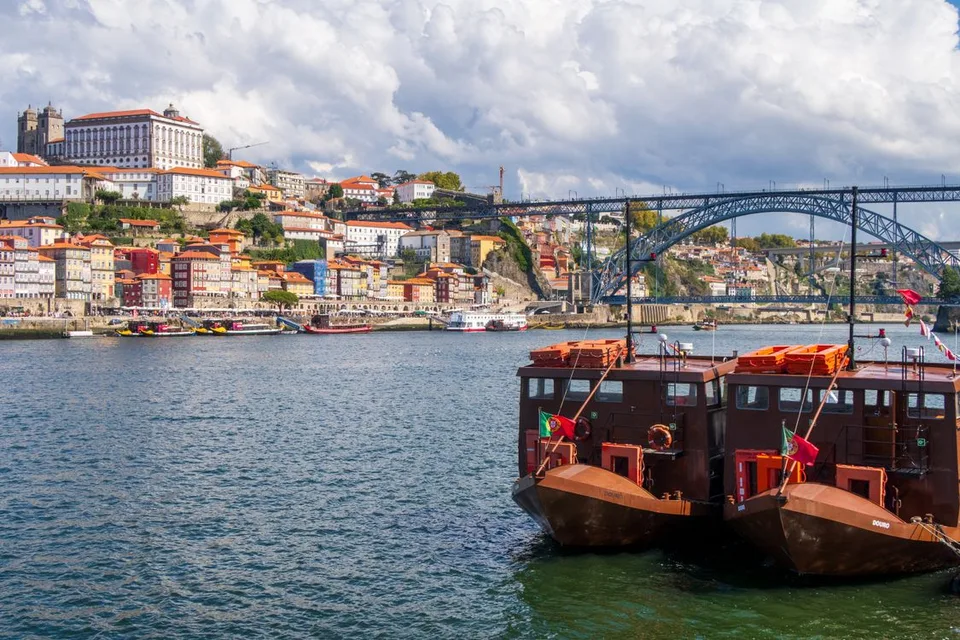
Sleeping on the riverfront means stepping out into postcard Porto — colorful houses, rabelo boats, and the Dom Luís I Bridge overhead. It also means cobblestones, steep lanes, and stairs. Wonderful if your mobility is good and you love character; tiring otherwise. If you choose it, confirm the hotel has a lift (many are in historic buildings) and pack your most supportive shoes.
Vila Nova de Gaia — Quieter, Across the River
Gaia, on the south bank, is where the port lodges live — and it is quieter and often better value than the Porto side. The riverfront promenade is flat, the cable car rises to Jardim do Morro and the metro station there, and the views back across to Porto are the ones on every postcard. A smart pick for slower stays built around wine, walks, and water.
Hotel checklist for Porto: a lift (ask explicitly — many buildings are historic), a walk-in shower rather than a high-sided tub, a room away from late-night Ribeira bars if you're a light sleeper, and proximity to a metro station. Portugal's trains and many attractions offer senior discounts — it never hurts to ask at booking, with ID in hand.
Getting Around Without Wearing Yourself Out
Porto's transport is good, and the real comfort secret is that the city gives you machines for its hills:
- Metro: the modern, step-free metro runs from the airport (Line E) straight into the center and across the upper deck of the Dom Luís I Bridge to Gaia. It is the easiest airport transfer and the easiest way to skip the hills.
- The Six Bridges cruise: the single best sightseeing investment in Porto. About 50 minutes on a traditional-style rabelo boat, under all six bridges, with departures roughly every half hour in season from the Ribeira quay or the Gaia quay. Board at Gaia for the shorter queue. Prices run around €20 for an adult — check at booking, as fares and timetables shift by season.
- Gaia cable car (Teleférico de Gaia): a short, scenic ride from the Gaia riverfront up to Jardim do Morro, beside the bridge's upper deck and the metro — the gentle way to the famous viewpoint.
- Funicular dos Guindais: a small funicular that climbs from the Ribeira riverfront up to the Batalha area, sparing you one of the city's steepest walks.
- Tram Line 1: the vintage tram rattles along the river from the center out to Foz do Douro, where the river meets the Atlantic — a lovely, seated afternoon ride. Note that the old trams have steps up, so they suit travelers who can manage a step or two.
- Taxis and rideshares: plentiful and reasonably priced — use them between distant sights without a second thought, especially uphill or in rain.
- The downhill rule: Porto's old town runs downhill from the cathedral and Batalha to the river. Take the metro or a taxi to the top, then stroll down — never the reverse.
Port Wine in Gaia, at Your Pace
The port lodges of Vila Nova de Gaia are Porto's signature experience — and one of its most senior-friendly, because the whole point is sitting down:
- Book a guided lodge tour with a seated tasting rather than wandering between bars. You'll learn how port is made and aged, then taste several styles — typically a ruby, a tawny, and a white — at a table, unhurried. Book ahead in May–October.
- Ask about step-free access when you book: many lodges are in historic cellars, and accessibility varies from lodge to lodge. A quick message before you go avoids a wasted trip.
- One lodge per day is plenty. Port is sweet and strong; a tasting pour adds up. Pair it with a long riverside lunch, not a second lodge.
- The honest alternative: if a cellar tour feels like too much on the day, order a glass of tawny at a Gaia riverfront terrace instead — same wine, same view, zero logistics.
Gentle Sights Worth Your Energy
Porto's cultural life suits the savor-don't-sprint traveler — with one rule: one major sight per day, seated tastings and cafés between.
- São Bento station: the main hall is covered floor-to-ceiling in more than 20,000 azulejo tiles telling Portugal's story — free to walk into, flat once you're inside, and five minutes from Baixa.
- Bolhão market: Porto's beautifully restored food market — stalls, cafés, and local life under one roof. Go in the morning when it's liveliest, and bring a bag for cheese and bread.
- Crystal Palace Gardens (Jardins do Palácio de Cristal): gentle paths, peacocks, and sweeping Douro views from above — one of the city's great free viewpoints, with benches everywhere.
- Clérigos Church (not the tower): the baroque church interior is lovely and step-free at ground level. The famous tower, by contrast, is 225 narrow steps with no lift — admire it from below unless climbing is your idea of fun.
- Livraria Lello: one of the world's most famous bookshops, with a stunning carved staircase. It is small and gets crowded — book a timed ticket, go early, and treat it as a 30-minute visit, not a day out.
Day Trips Worth the Effort
Porto is an excellent base for low-effort day trips — the key is choosing rail and river over boots:
- Douro Valley by train: the railway from São Bento to Régua and Pinhão follows the river through terraced vineyards — widely considered one of Europe's most scenic train rides, and the train does all the work. Régua is about a two-hour ride; Pinhão further. A full-day river cruise to Pinhão and back runs around 10 hours, so the train is the gentler option.
- Aveiro by train: under an hour south, the "Venice of Portugal" is flat, canal-threaded, and made for a slow wander plus a seated moliceiro boat ride — an easy, low-stepping contrast to Porto's hills.
- Foz do Douro: not a day trip at all — take Tram Line 1 to the river mouth for sea air, a lighthouse, and a long, flat ocean promenade.
Book rail day trips in advance for the cheapest fares, and check timetables the day before — rural services thin out on Sundays and holidays.
When to Visit
May–June: the sweet spot — warm days, gardens in bloom, and the city at its liveliest without peak-season crowds.
September–October: harvest season in the Douro Valley, golden light on the river, and thinning crowds. A refined choice.
November: mild and quiet — a lovely time for port lodges, markets, and long lunches, with rain more likely than in summer. Pack a proper rain jacket and grippy shoes for wet cobbles.
July–August: hot, busy, and at its most expensive — the riverfront heaves and the lodges queue. If summer is your only window, book everything ahead and plan your sightseeing for mornings.
January–February: quiet, cool, and cheapest — but some cruise operators run reduced schedules, so check before you count on a boat day.
One constant: Porto weather changes fast, in every season, and the cobbles are slippery when wet. Layers, a rain jacket, and shoes that grip are non-negotiable — pack them and the city is yours.
If Porto has you thinking about more of Portugal at a comfortable pace, see our Lisbon Senior Hotels guide — and for another European city that rewards the same hill strategy, our Edinburgh After 50 guide.
Area Map
Frequently Asked Questions
Is Porto good for seniors with limited mobility?
Porto is hilly, so it takes strategy rather than stamina. The riverside promenades on both banks are flat, the metro is step-free, the Gaia cable car and the Guindais funicular replace the steepest climbs, and the Six Bridges river cruise shows you the whole city seated. Choose a flat base in Baixa or along the Gaia riverfront and let the river do the sightseeing.
Is Porto safe for solo women travelers over 50?
Porto is widely considered a safe city for solo travelers. The Ribeira waterfront, Baixa, and the Gaia riverfront stay busy and well-lit into the evening, and dining alone at a riverside table is completely normal here. Standard big-city awareness still applies, especially for pickpockets around crowded stations and markets.
What's the best area to stay in Porto after 50?
Baixa, around Avenida dos Aliados and Bolhão, is the most comfortable base for 50+: comparatively flat, central, and well served by metro and buses. Ribeira is the most atmospheric but steep and cobbled. Vila Nova de Gaia, across the river, is quieter with the port lodges on your doorstep and the cable car up to Jardim do Morro.
When is the best time for older travelers to visit Porto?
May–June and September–October offer the best balance of mild weather and manageable crowds. November is mild and quiet — a lovely time for port lodges and long lunches, though rain is more likely. July–August brings heat and the biggest crowds; January–February is the quietest and cheapest, with some cruise operators on reduced schedules.
Get Price-Drop Alerts for This Destination
Watching fares? We'll email you when prices drop 10% or more. Free.
Set a Free Price Alert →