Sedona After 50: A Comfort-First Guide for Travelers 50+
Red rocks without strenuous hiking: drive-up viewpoints, a flat trail, free shuttles, and a slower Sedona pace.
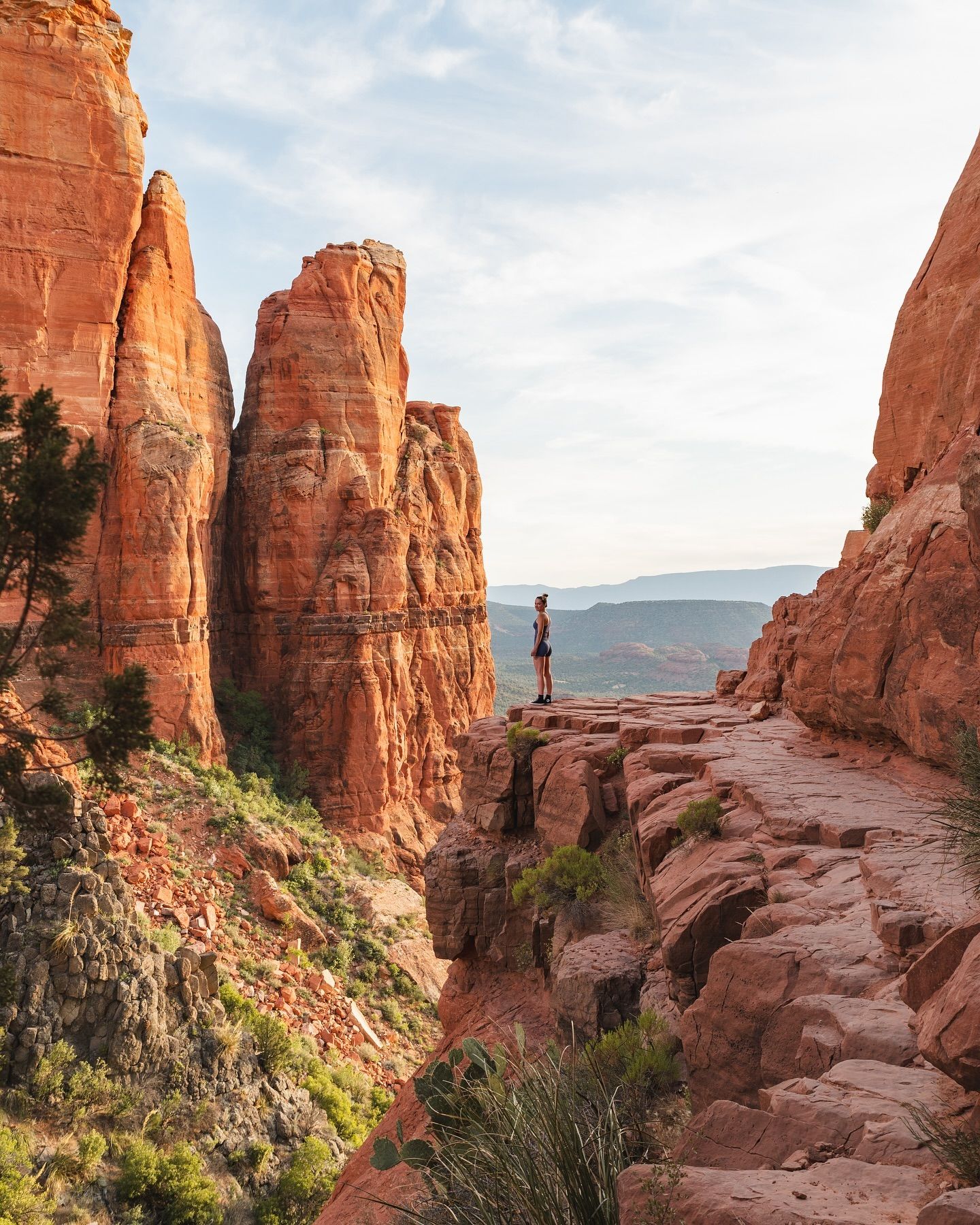
⚡ Key Takeaways
- Comfort-first plan: viewpoints and short, flat paths first — climbs are optional, never required to see the red rocks.
- Easy walking: Bell Rock Pathway is flat; the Airport Mesa viewpoint trail is short with a gradual, partly rocky path.
- Getting around: the free Sedona Shuttle serves popular trailheads Thursday through Sunday; the Verde Shuttle runs hourly.
- When to go: spring and autumn are generally the most comfortable; summer means early-morning plans and afternoon storms.
- Altitude: Sedona sits at about 4,300 feet — take day one gently and drink water.
- Stay: Uptown for walkable restaurants and galleries, West Sedona for a quieter base, Village of Oak Creek for a calmer, southern end.
Is Sedona Worth It After 50? The Honest Answer
Sedona is one of the rare desert destinations that does not demand a long hike to deliver the view. The red rocks rise right beside the road, the town is small, and much of the pleasure — galleries in Uptown and Tlaquepaque, a spa afternoon, dinner with a rock backdrop, stargazing after dark — requires no trail at all.
Honest caveats: this is high desert. Summer heat is serious, afternoon monsoon storms can arrive quickly in July and August, and trailhead parking fills early at the popular spots. Sedona sits at about 4,300 feet, so a first day of gentle plans is wise, especially if you are coming from sea level. And while Sedona is compact, its viewpoints are spread out — a car, a shuttle plan, or a tour makes the trip far more comfortable than trying to walk between them.
Where to Stay: Three Areas, Three Paces
Uptown Sedona — Walkable and Lively
Uptown is the main strip: restaurants, galleries, and tour pickups within a short walk. It is convenient, and it is also the busiest and noisiest area, especially at midday. If you stay here, ask for a room away from the main road and confirm elevator access — some smaller lodgings have stairs only.
West Sedona — Quieter, Practical
West Sedona is calmer and closer to grocery stores and everyday services, with easy access to the western viewpoints and trails. It suits a longer, slower stay and travelers who prefer a quiet night over a busy strip.
Village of Oak Creek — Calm, Southern End
South of town, near Bell Rock, the Village of Oak Creek is quieter still, with golf and a village-center feel. It is a good choice if Bell Rock Pathway and southern viewpoints are on your list, and if you do not mind a short drive into Uptown for dinner.
Hotel checklist for 50+ stays: elevator or ground-floor room, walk-in shower, a quiet room away from the road, blackout curtains for early nights, and parking close to your room. Confirm these directly with the property before booking — listings do not always say.
Red Rocks Without a Strenuous Hike
You do not need to climb to see Sedona properly. Start with these:
- Airport Mesa viewpoint: a short, gradual path from the parking area to a panoramic overlook, widely described as an accessible walk, with sunset views over Thunder Mountain and Coffee Pot Rock. Go early for parking and a quieter visit.
- Bell Rock Pathway: a flat path near the Village of Oak Creek with close-up views of Bell Rock and Courthouse Butte. Walk as far as feels good and turn back — the view is strong from the start.
- Chapel of the Holy Cross: a striking chapel built into the rocks, reached by a short walk from its parking area. The setting, not a hike, is the point. Check current visitor information before you go, as parking here is limited.
- Red Rock Loop Road and Oak Creek Canyon drives: scenic drives with pull-offs where you can stop, look, and photograph without leaving the car far behind.
If you do want one short trail, the Sedona View Trail near Airport Mesa is a short out-and-back with a gradual, dirt-packed path and some rocky sections — rated easy-to-moderate. Wear sturdy shoes with grip, carry water, and turn back whenever the surface stops feeling comfortable. That is a complete Sedona walk, not a failed one.
Getting Around: Shuttles, Parking, and Honest Car Advice
A car makes Sedona easiest, but parking at popular trailheads is the pinch point. Two shuttle systems help:
- Sedona Shuttle (free): runs Thursday through Sunday, roughly 7 a.m. to 5:30 p.m., from free park-and-ride lots to popular trailheads including Cathedral Rock, Little Horse, Soldier Pass, Dry Creek Vista, and Mescal. Shuttle riders are not charged a parking fee at the trailhead. Service days and hours change seasonally, so check the current schedule before your trip.
- Verde Shuttle: runs hourly, seven days a week, roughly 6 a.m. to 10 p.m., between Cottonwood and Sedona, stopping in West Sedona and Uptown. It can connect you to Sedona Shuttle park-and-ride lots. Its buses can carry up to two wheelchair riders.
Ride-shares exist in Sedona but are not always reliably available, especially at peak times — treat them as a bonus, not a plan, and have a backup for dinner or tour returns. If you drive, arrive at viewpoints early, and check whether a Red Rock Pass is required at the lot you are using; shuttle riders do not need one at trailheads served by the shuttle, but drivers should check the current rate at the kiosk rather than assuming it.
When to Go, and How to Handle the Desert
Spring and autumn are generally the most comfortable windows for walking and viewpoints, with mild days and cool mornings. Winter brings mild days and cold nights — pack layers, a warm jacket for sunset viewpoints, and sun protection even in December. Summer is hot: plan outdoor time for early morning, rest indoors through midday, and watch for afternoon monsoon storms in July and August. If thunder builds, leave exposed viewpoints and ridges promptly.
Desert basics that matter more after 50: carry more water than you think you need, wear a hat and sunscreen, and wear shoes with real grip — red-rock surfaces are uneven and dusty. Dark-sky stargazing is a quiet Sedona pleasure: step outside after dinner on a clear night, away from Uptown lights, and give your eyes time to adjust.
Easy Add-Ons: Galleries, Spas, and a Day Out
Sedona's art scene is a comfortable complement to the outdoors: Tlaquepaque Arts and Shopping Village, with its courtyards and galleries, is made for slow browsing with café stops. Spa treatments are a Sedona staple — book ahead in spring and autumn weekends. For a day trip, the old mining town of Jerome, about 30 minutes away, offers a walkable main street and valley views, while Oak Creek Canyon's drive north toward Flagstaff is scenic in autumn. A Grand Canyon South Rim day trip is possible but long — treat it as a full, early-start day, not a casual add-on.
Related guides for a similar pace: Santa Fe After 50, Napa Valley After 50, and Charleston After 50. See all guides on the Travel Guides page.
Area Map
Frequently Asked Questions
Is Sedona suitable for travelers over 50 who do not hike much?
Yes, if you plan around viewpoints rather than climbs. Airport Mesa, Bell Rock Pathway, and the Chapel of the Holy Cross area give you red-rock views without a strenuous hike. The town itself is compact, with galleries, spas, and restaurants that suit a slower pace.
When should older travelers visit Sedona?
Spring and autumn are generally the most comfortable seasons, with mild days for walking and viewpoints. Summer brings intense desert heat and afternoon monsoon storms, so plan outdoor time for early morning. Winter days can be mild, but nights are cold — pack layers.
Do I need a car in Sedona?
A car makes Sedona much easier, especially for viewpoints spread around town. The free Sedona Shuttle runs Thursday through Sunday to popular trailheads from park-and-ride lots, and the Verde Shuttle runs hourly between Cottonwood and Sedona. Check current schedules before you go, as days and hours change seasonally.
What about Sedona's altitude?
Sedona sits at about 4,300 feet, so take the first day gently, drink water, and avoid a long hike on arrival. Most visitors adjust quickly, but if you have a heart or breathing condition, check with your clinician before a high-desert trip.
Get Price-Drop Alerts for This Destination
Watching fares? We'll email you when prices drop 10% or more. Free.
Set a Free Price Alert →