Vienna After 50: A Comfort-First Guide for Travelers 50+
Vienna may be Europe's most senior-friendly capital: flat, safe, with superb public transit and a café culture built for lingering. Here's how to enjoy it comfortably after 50.
⚡ Key Takeaways
- Why it suits 50+: flat center, elevators in U-Bahn stations, low-floor trams, and benches everywhere.
- Best base: Leopoldstadt (2nd district) — flat, residential, great transit, better value than the old town.
- Safety: among the world's safest major cities — comfortable for solo women travelers, day and evening.
- The café strategy: rest is built into Viennese culture — a Melange buys you an unhurried hour.
- Palaces: Schönbrunn's gardens are flat (skip the Gloriette hill); Belvedere's slope is the one to plan around.
- Best months: April–June and September–October; December for the Christmas markets (dress warmly).
Is Vienna Worth It After 50? The Honest Answer
Vienna is imperial grandeur without the physical punishment. Unlike Rome's cobblestones or Lisbon's hills, the historic center is largely flat, the transit system was built with accessibility in mind, and the city's café culture means rest stops are not just accepted — they're the point. For travelers 50+, few European capitals ask less of your knees while giving more to your eyes and ears.
The honest caveats: winter is cold and gray (November–February), the famous Christmas markets mean December crowds, and concert standing-room tickets are a young person's game — always book seated. Vienna rewards the traveler who plans for comfort, which is exactly what this guide is for.
Where to Stay: Three Comfort-First Neighborhoods
Leopoldstadt (2nd District) — Best Overall for 50+
Across the Danube Canal from the old town: flat, residential, genuinely local, with the Prater park for easy strolls and excellent U-Bahn connections. Hotels here cost noticeably less than the 1st district, and the streets are wide and walkable. The trade-off is a 10–15 minute ride to the main sights — a fair exchange for quiet nights.
Innere Stadt (1st District) — Central, Pricier
The historic heart: St. Stephen's Cathedral, the Hofburg, the opera — all on foot. Wonderful if budget allows, but confirm your hotel has an elevator (many are in centuries-old buildings) and expect some cobblestones around the cathedral quarter.
Mariahilf / Neubau (6th & 7th Districts) — Lively, Well-Connected
Vienna's shopping and café belt along Mariahilfer Strasse: flat, modern, well served by transit. A good middle ground — central enough to walk to the MuseumsQuartier, residential enough to sleep well.
Hotel checklist for Vienna: elevator (ask explicitly — "Aufzug"), walk-in shower rather than a high tub edge, a quiet courtyard room if you're a light sleeper, and proximity to a U-Bahn station with elevator access. Many Viennese hotels offer reduced senior rates — it never hurts to ask at booking.
Getting Around Without Wearing Yourself Out
Vienna's public transit is the comfort traveler's best friend:
- U-Bahn: fast, clean, and nearly all stations have elevators. The U1, U2, and U4 lines connect every major sight.
- Trams: low-floor and scenic — the Ring lines circle the historic center past the opera, parliament, and museums. Riding the full loop is a legitimate sightseeing tour from a comfortable seat.
- Day passes: a 24/48/72-hour transit pass covers everything and removes the friction of buying single tickets. Inexpensive for what you get.
- Taxis and ride apps: plentiful and reasonably priced for a European capital — use them between distant sights without a second thought.
- From the airport: the S7 S-Bahn is the budget-friendly rail link; the City Airport Train (CAT) is faster and pricier; a taxi is the most comfortable door-to-door option, especially with luggage.
Palaces and Gardens at Your Pace
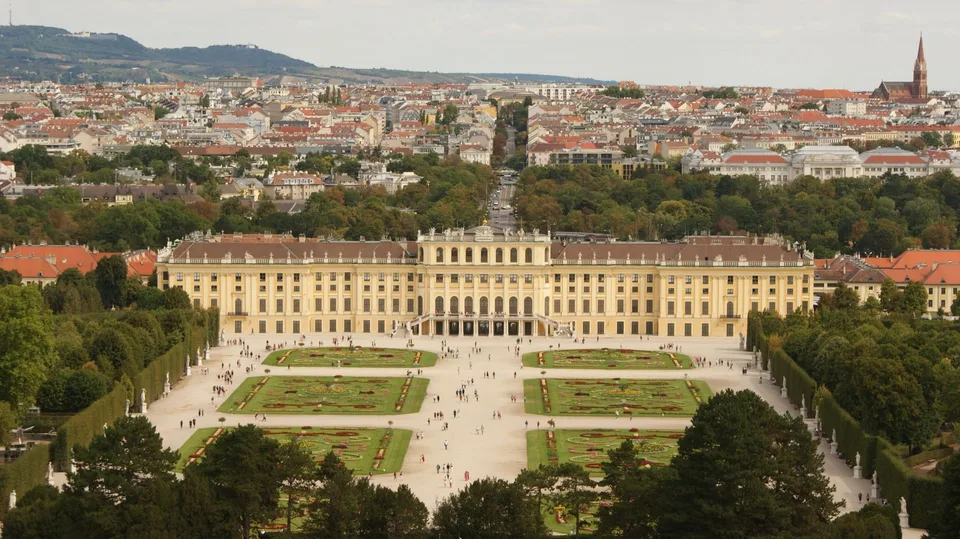
Schönbrunn Palace: the Habsburgs' summer residence and Vienna's essential sight. The palace tour itself is step-managed with plenty of places to pause. The gardens behind it are vast and flat — perfect for a gentle stroll. The one climb to skip: the Gloriette hill at the garden's far end. The view is lovely; the ascent is not required.
Belvedere Palace: home to Klimt's The Kiss in the Upper Belvedere. The catch is the garden between the Upper and Lower palaces sits on a slope. Strategy: enter at the Upper Belvedere (top of the hill), see the Klimt collection, then stroll down through the gardens — never up.
Hofburg Palace: the winter palace in the city center — Sisi Museum, Imperial Apartments, and the Spanish Riding School. Entirely flat, centrally located, and easy to combine with a café stop on the Graben nearby.
Book palace tickets online in advance for timed entry — you'll walk past the ticket lines, which matters more than it sounds on tired feet.
Music and Museums, Comfortably
Vienna's cultural life is a 50+ traveler's dream — with one rule: always book seated tickets. The opera and Musikverein sell cheap standing-room spots that are miserable after an hour. Seated tickets cost more and are worth every cent.
- Vienna State Opera: book seated tickets weeks ahead; the building offers guided tours on non-performance days (with seating breaks).
- Musikverein: the Golden Hall's acoustics are legendary — the Sunday morning concerts are shorter and often easier to book.
- Kunsthistorisches Museum: world-class art in a building with a magnificent seated café under the dome — plan your visit around a coffee break there.
- Senior admission: most major museums offer reduced senior rates (typically 60+ or 65+) — bring ID and ask at the counter.
One major museum or concert per day is the right pace. Vienna's culture is dense; savoring beats sprinting.
The Café Strategy
Viennese café culture is practically designed for the comfort-first traveler. Ordering a Melange (Vienna's signature coffee) buys you the right to sit as long as you like — no one will rush you, ever. Use this deliberately:
- Café Central or Demel: the grand historic cafés — go mid-morning on weekdays to avoid tour groups.
- Neighborhood cafés: every district has its own; they're cheaper, quieter, and where you'll feel most like a local.
- Solo dining: eating alone in a Viennese café is completely normal — bring a book or simply watch the city. Many solo women travelers cite this as one of Vienna's great pleasures.
When to Visit
April–June: the sweet spot — mild weather, gardens in bloom, outdoor café season beginning. May is arguably perfect.
September–October: golden light, harvest menus, thinning crowds. The opera season restarts in September.
Late November–December: the Christmas markets (Christkindlmärkte) — Vienna's most magical season. Markets typically run from late November through Christmas Eve, with the Rathaus market the most famous. It's cold: dress in layers, wear warm footwear, and plan indoor museum breaks between market visits.
July–August: warmest months; the city empties slightly as Viennese head to the lakes. Fine for travel, but book concerts early — many venues are on summer break.
January–February: quiet, gray, and cold — but also the cheapest hotels and emptiest museums. The famous Opera Ball happens during Fasching (carnival season, typically February).
For a first visit with comfort as the priority, we'd suggest May or September — and if Christmas markets are the dream, early December beats the late-December rush.
If Vienna has you thinking about more European capitals at a comfortable pace, see our Paris After 50 and Rome After 50 guides — same comfort-first philosophy, different cities.
Area Map
Frequently Asked Questions
Is Vienna good for seniors with limited mobility?
Vienna is one of Europe's most accessible capitals: the center is largely flat, U-Bahn stations have elevators, trams are low-floor, and major palaces offer step-free routes. Plan around the few exceptions — Schönbrunn's Gloriette hill and the Belvedere's garden slope — and the city is very manageable.
Is Vienna safe for solo women travelers over 50?
Vienna consistently ranks among the world's safest major cities. Solo women travelers report feeling comfortable walking in central districts in the evening, dining alone in cafés (completely normal here), and using public transit at night. Standard big-city awareness still applies.
What's the best area to stay in Vienna after 50?
Leopoldstadt (2nd district) near the Prater: flat, residential, excellent transit, and better value than the old town. The Innere Stadt (1st district) puts everything in walking distance but costs more and has older buildings where you should confirm the hotel has an elevator.
When is the best time for older travelers to visit Vienna?
April–June and September–October offer mild weather and manageable crowds. December brings the famous Christmas markets (late November through Christmas Eve) — magical but cold, so dress warmly and plan indoor breaks. July–August can be hot; January–February are quiet and gray.
Get Price-Drop Alerts for This Destination
Watching fares? We'll email you when prices drop 10% or more. Free.
Set a Free Price Alert →