Copenhagen After 50: A Comfort-First Guide for Travelers 50+
Flat, compact and famously civilized: Copenhagen is one of Europe's easiest capitals after 50 — if you pick a quiet base and plan around wind and short winter days.
⚡ Key Takeaways
- Best base: Indre By near Strøget or Kongens Nytorv — flat, central, and close to the metro. Frederiksberg or Østerbro if you prefer quieter nights.
- Why it suits 50+: one of Europe's flattest capitals, with step-free metro stations, seated canal-boat tours, and a café or bench never far away.
- You do not need to cycle: walking, the metro and canal boats cover the city comfortably. Just stay out of the bike lanes — bikes are fast and quiet.
- Pace it: one big sight per morning, a long lunch, then a canal boat or a museum café — not three attractions in a day.
- Winter warning: days are short and the wind off the harbour is real. A hooded waterproof jacket, warm layers and indoor backups are non-negotiable from November to February.
- Christmas bonus: Tivoli Gardens' Christmas season, usually from mid-November, is the city's most senior-friendly festive outing — compact, seated, and full of warm places to stop.
Is Copenhagen Worth It After 50? The Honest Answer
Copenhagen is a rare European capital where the city itself does half the work for you. The centre is flat — genuinely flat, not "flat for Europe" — the metro is modern and step-free, and the whole city is built around the idea that you should be able to sit down somewhere pleasant every few minutes. For travelers 50+, especially women traveling solo or with friends, that ease matters more than any single sight.
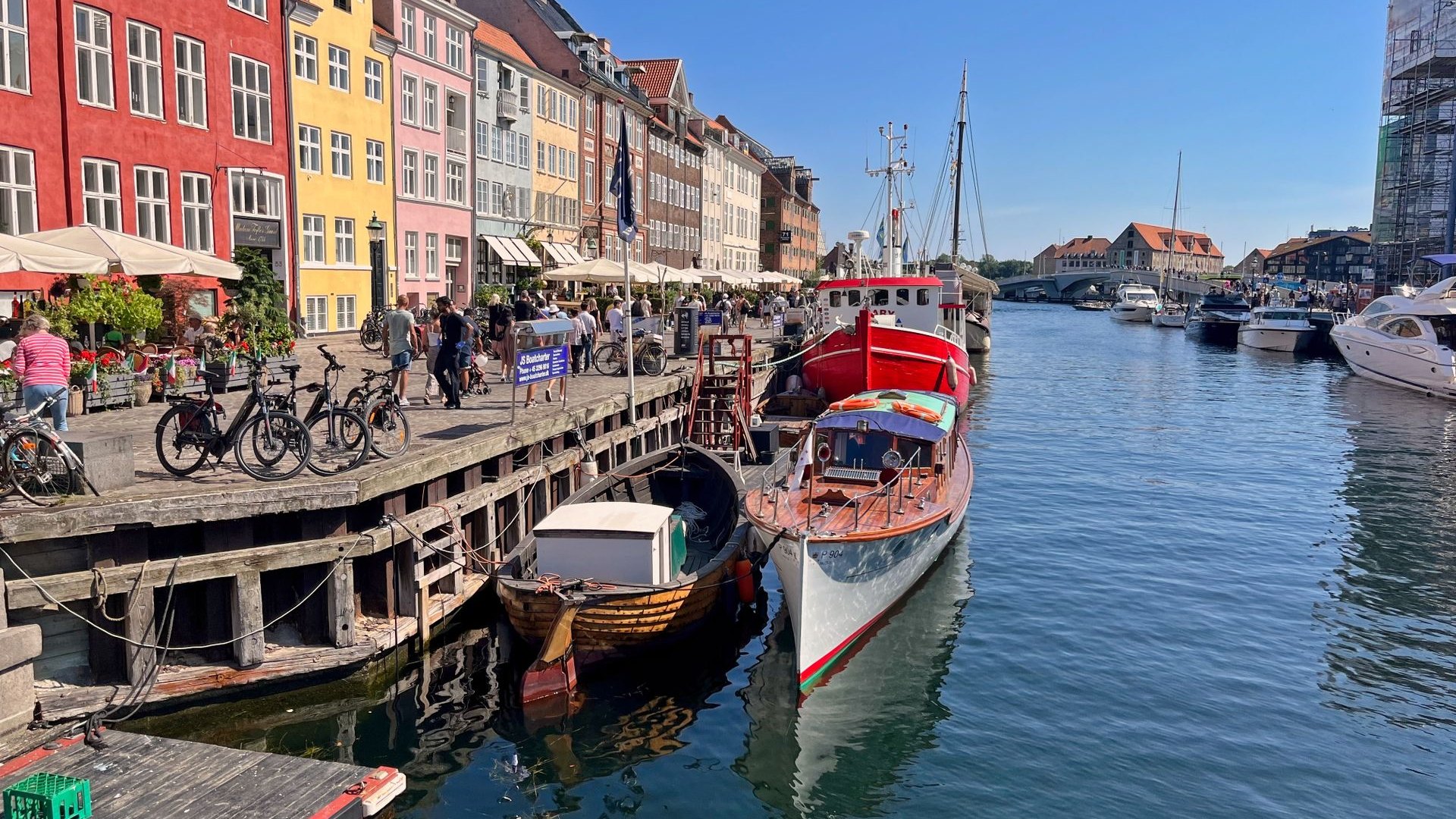
The honest caveats: it is expensive, and pretending otherwise helps nobody — the best value is in shoulder season, a well-chosen neighborhood, and a slower itinerary, not in trying to see everything. The wind off the harbour cuts through light jackets, winter days are short, and Nyhavn — the postcard canal everyone photographs — is cobbled, crowded and priced for tourists. And Copenhagen is a cycling city: wonderful if you ride, but as a walker you need to respect the bike lanes, which are busy and fast.
Where to Stay: Central and Flat, Not on Nyhavn
Indre By (Inner City) — Best Overall
This is the sweet spot: around Strøget, the pedestrian shopping street, and Kongens Nytorv, the square at the head of Nyhavn. Everything is flat, the metro runs nearby, and you are a short walk from museums, the harbour and Tivoli. Before booking, confirm three things that matter more after 50 than any star rating: a lift that serves your floor, a walk-in shower rather than a high-sided bath, and a room away from a late-night bar or a busy road.
Frederiksberg — Quieter, Greener
Just west of the centre, Frederiksberg feels like a calm residential town with its own gardens, cafés and metro stops. A good choice if you value quiet sleep and leafy streets over being in the middle of the action — and the metro still puts you in the centre in minutes.
Østerbro — Calm and Residential
Northeast of the centre, Østerbro is quiet, residential and close to the waterfront walk toward the Little Mermaid. It suits travelers who like a peaceful base and do not mind a short metro or bus ride into the centre.
Nyhavn — Visit, Don't Sleep There
Nyhavn is worth a daytime wander and a canal-boat departure — but its cobbles are uneven, its terraces are crowded, and its prices run high. Enjoy the colours, take your photos, then walk back to a quieter bed. The same logic applies to the busiest stretch of Strøget at night: lively to visit, tiring to live on.
For more on choosing a room, see our comfort-first hotel checklist — the elevator, shower and quiet-room questions apply in Copenhagen exactly as they do in Lisbon.
Getting Around Without Wearing Yourself Out
The centre is walkable, but Copenhagen rewards a mixed strategy. Walk the flat inner city in the morning, then use the metro or a bus for anything longer. The metro is driverless, frequent and step-free, and the harbour bus (a public ferry) is a comfortable, seated way to see the waterfront. Canal-boat tours, which leave from Nyhavn and Gammel Strand, are the single most senior-friendly sightseeing move in the city: about an hour, fully seated, with the city narrated to you from the water.
- Bike lanes: they are everywhere and clearly marked. Never walk in them, look both ways before crossing one, and remember that cyclists ride fast and nearly silently.
- Cobbles and wind: wear shoes with grip for Nyhavn's cobbles and wet quays, and bring a windproof layer — the harbour wind is the city's real weather, whatever the temperature says.
- Rest stops: Copenhagen is generous with them — museum cafés, bakery chairs, harbour benches, and the Danish institution of a long coffee. Build a sit-down into every outing rather than pushing through.
- Daylight: winter days are short (roughly 7–8 hours around the solstice). Plan outdoor sights for late morning and keep evenings for food, Tivoli and concerts.
- From the airport: Copenhagen Airport (CPH) connects to the city centre by metro in about 15 minutes, step-free — one of the easiest airport arrivals in Europe. Confirm the current route and ticket type at the station before you travel.
What to See, at a Comfortable Pace
Nyhavn and the Canals
Start with the postcard itself, but on your terms: come in the morning before the crowds, walk the sunny side if the weather allows, and then see it properly from the water on a canal boat. The boats are covered in bad weather, the commentary is in English, and you will see the Opera House, Christianshavn and the harbour without a single hill. Check boarding steps and seating when you book if steps are a concern.
Museums and Galleries
The National Museum of Denmark, near the centre, is large but manageable in a couple of hours if you pick a wing rather than trying to see it all — and it is full of benches. The Ny Carlsberg Glyptotek, with its glass-domed winter garden and café, is one of the most restful museums in Europe: art, plants, coffee and chairs under one roof. Designmuseum Denmark, in a former hospital building, is smaller and calmer. Check current admission and opening times for each museum before you go, as special exhibitions may be ticketed.
Palaces, Gardens and the Waterfront
Amalienborg, the royal family's winter residence, is best enjoyed from the palace square and the waterfront — the changing of the guard is a short, standing ceremony, so arrive just before it starts rather than waiting an hour. Rosenborg Castle, with the crown jewels, is beautiful but involves stairs; check its step-free access before committing. The King's Garden (Rosenborg Castle Gardens) next door is flat, free and full of benches. The Little Mermaid statue, on the waterfront at Langelinie, is small and often crowded — walk the flat waterfront promenade to reach it, manage expectations, and treat the walk itself as the sight.
Food, Hygge and Evenings
Copenhagen's food culture is at its most welcoming at lunch: an open sandwich (smørrebrød) in a traditional lunch restaurant, a pastry and coffee in a bakery, or the Torvehallerne food halls near Nørreport station, where you can graze seated under cover. Evenings are for Tivoli (see below), concerts, or a quiet restaurant — the city's fine-dining fame is real, but its everyday cafés and lunch restaurants are where the comfort is. Like Amsterdam, Copenhagen is a canal city best enjoyed slowly from the water; like Vienna, it rewards café stops as part of the itinerary, not as an afterthought.
Tivoli at Christmas: The Seasonal Highlight
If you visit from mid-November, Tivoli Gardens' Christmas season is the city's most senior-friendly festive outing. The park is compact and flat, lit beautifully, and full of places to sit, eat and warm up — market stalls, live music, and the lake at its centre. Go on a weekday evening if you can, when crowds are lighter; dress for wind and standing outdoors; and check Tivoli's official site for that season's dates, hours and ticket arrangements before you go, as they change each year. Rides are entirely optional — many visitors never ride anything and still call it the highlight of the trip. Like Prague, Copenhagen's festive season needs a plan, not an assumption: a weekday visit beats a crowded weekend every time.
Day Trips That Are Actually Easy
Louisiana Museum of Modern Art (about 35 minutes by train): the single best day trip for 50+ travelers — a world-class museum on the seaside at Humlebæk, with flat galleries, a sea-view café and sculpture grounds to stroll at your own pace. The train is comfortable; check the walk from the station and the museum's accessibility information before you go.
Roskilde (about 30 minutes by train): the Viking Ship Museum, with original Viking ships in a harbourside hall, is compact and seated-friendly, and the town itself is small and walkable. A good half-day if Viking history appeals to you.
Helsingør / Kronborg Castle: the Hamlet castle, about 45 minutes by train along the coast, is grand and atmospheric — but it involves stairs and uneven ground, so check access details honestly before committing, and skip it without regret if you prefer the city.
Wind, Money and Practical Notes
- Wind and rain plan: hooded, windproof jacket, warm layers, and one indoor backup per day. A wet morning in the Glyptotek beats a wet morning on a walking tour.
- Money: Denmark uses the Danish krone (DKK). Cards are accepted almost everywhere, including in most cafés and on public transport ticket machines — many Danes rarely carry cash at all.
- Language: English is widely spoken, and almost all visitor information, menus and transport announcements are available in English.
- Tickets: for the metro and buses, buy a City Pass or a Rejsekort travel card, or check the current contactless-payment options at the station — ticket rules change, so confirm on the day rather than relying on older guides.
- Documents: check current passport-validity and entry requirements for your nationality before booking; rules change, and this guide does not replace official advice.
- Health: pack any medication in hand luggage with a copy of the prescription, and note the location of the nearest pharmacy to your hotel on arrival — a small habit that pays off on every trip.
Area Map
Frequently Asked Questions
Is Copenhagen good for travelers over 50?
Yes — it is one of Europe's flattest capitals, with a compact centre, step-free metro stations, seated canal-boat tours, and cafés everywhere for a rest stop. The main challenges are wind, rain and short winter days, all of which a slower plan handles well.
What is the best area to stay in Copenhagen for seniors?
Indre By (the Inner City) near Strøget or Kongens Nytorv for a central, flat base, or quieter Frederiksberg or Østerbro for calmer nights. Avoid sleeping right on Nyhavn itself — it is lively, cobbled and priced for tourists. Check for a lift, a walk-in shower and a quiet room before booking.
Do I need to cycle in Copenhagen?
No. Cycling is popular but entirely optional. Walk the flat centre, take the metro or bus, and ride a canal boat for the water views. The one cycling rule that matters for walkers: stay out of the marked bike lanes and look both ways — bikes move fast and quietly.
Is Tivoli Gardens worth visiting at Christmas?
For many 50+ travelers, yes — Tivoli's Christmas season (usually from mid-November) is festive, compact and full of places to sit, eat and warm up. Go on a weekday evening if you can, dress for wind, and check Tivoli's official site for that season's dates and ticket arrangements before you go.
Get Price-Drop Alerts for This Destination
Watching fares? We'll email you when prices drop 10% or more. Free.
Set a Free Price Alert →